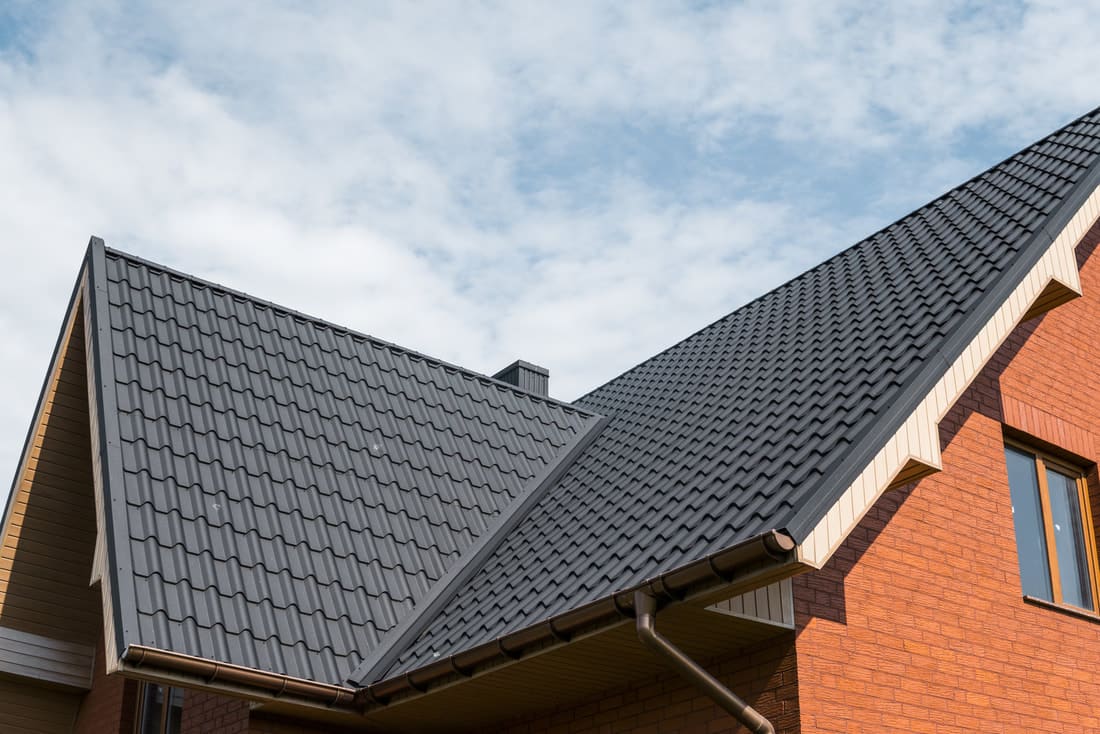
Concrete and clay tile diagnosis for cracked or displaced pieces, aging underlayment, valleys, skylights, parapets, and water driven beneath laps during monsoon weather.
Tile is the durable outer armor; the underlayment is the waterproof layer. A field of intact concrete or clay can therefore cover dried felt, an open lap, failed flashing, or a puncture that admits water. Asphalt-felt underlayment commonly lasts about 15 to 20 years in the Phoenix climate, while the tile above can remain serviceable for decades. That mismatch is why a Scottsdale ceiling stain may call for careful tile lifting instead of a search for one obviously broken piece.
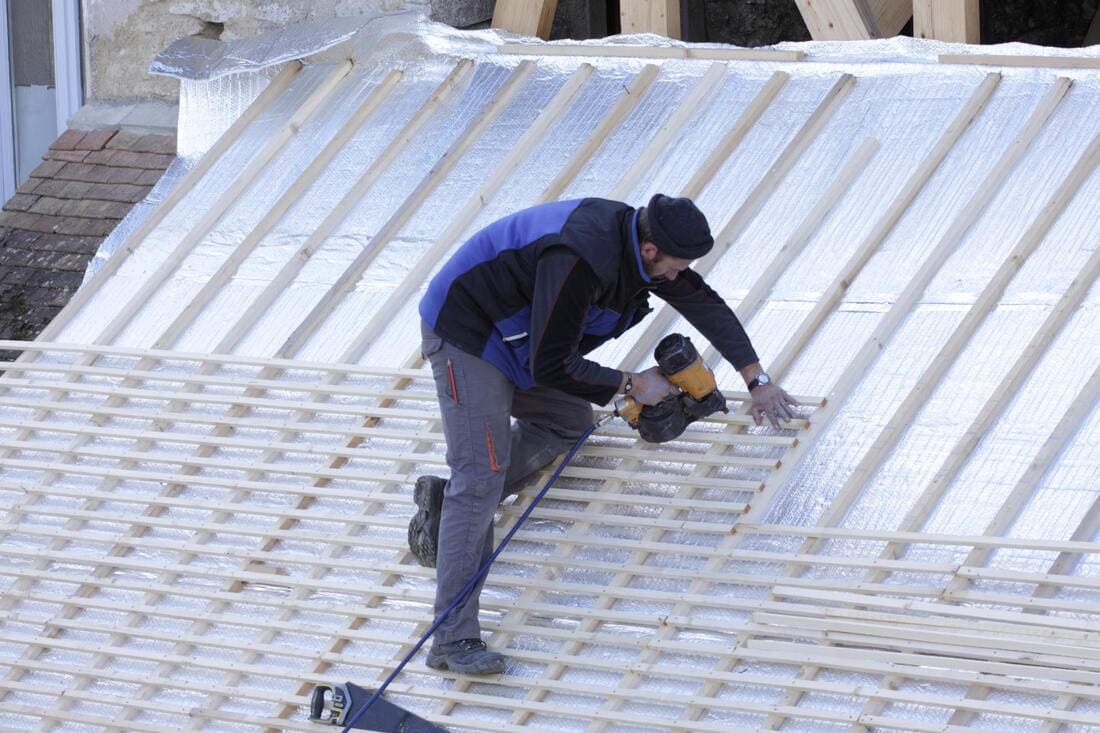
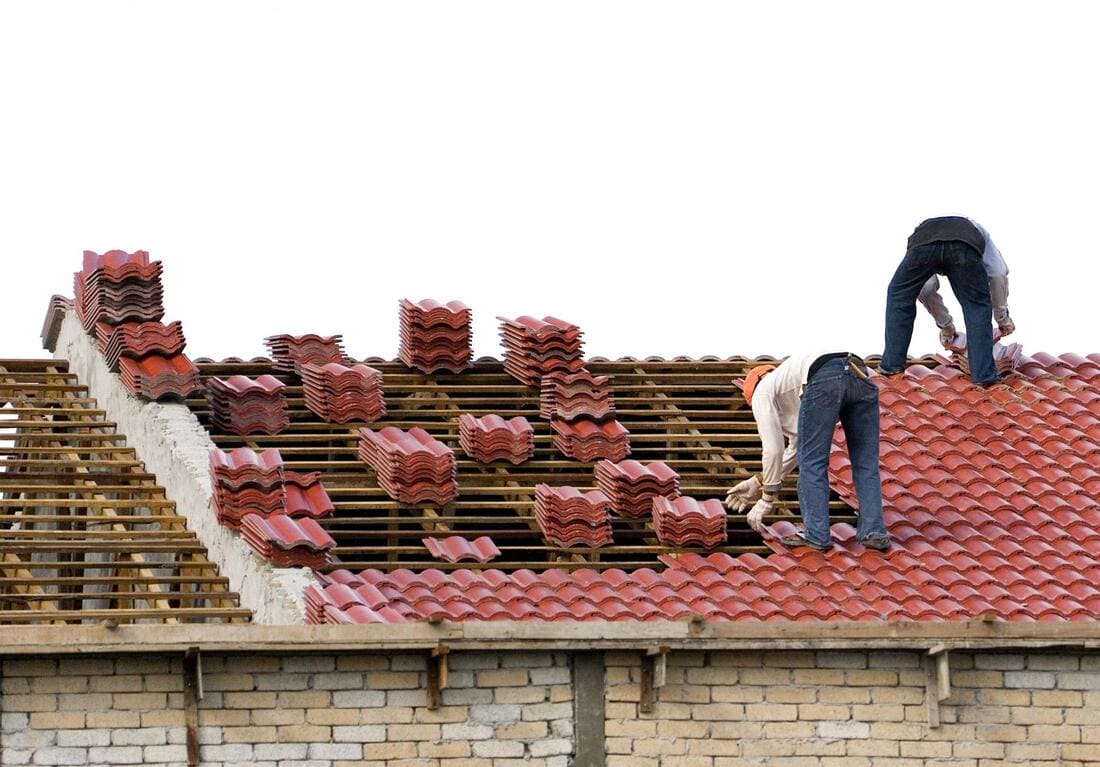
Water driven beneath a tile lap can run across underlayment, collect at a batten or valley, and emerge well below the opening. The investigation should connect interior evidence with the slope, then open enough of the suspected area to see the paper, flashing, fasteners, and decking. Tile should be moved along a planned access path and stored safely. On an older custom profile, careless foot placement can create more breakage than the original leak.
Common tile failures in Scottsdale
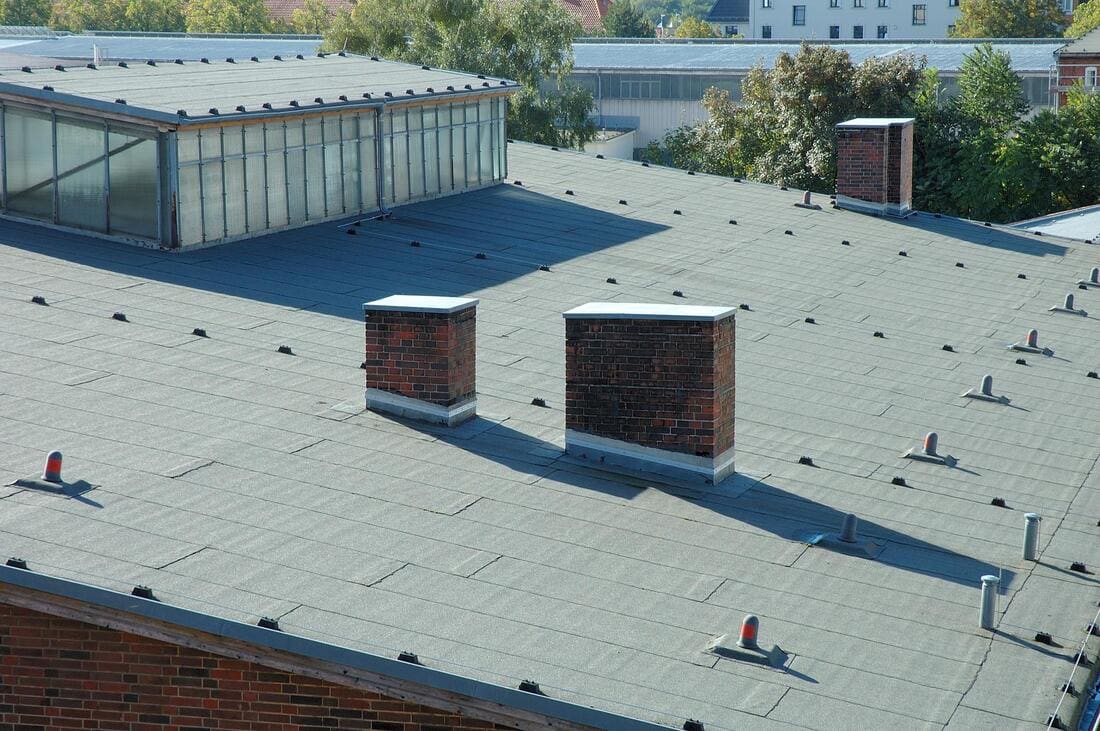
Breaks at corners and noses are only one category. Slipped courses can expose a fastening point; loose hip or ridge material can admit wind-driven rain; debris in a valley can redirect water sideways; and old mortar or surface sealant can crack away from the material it was meant to bridge. Skylight corners, pipe penetrations, patio tie-ins, and parapet transitions deserve close views because several materials meet there. Sun-facing details often show the clearest sealant and underlayment aging.
Monsoon wind can shift tile without leaving a bare square that is easy to see from the street. It can also push water uphill at a lap or toward a valley edge that performs normally in lighter rain. The photo report should show displaced pieces, visible underlayment, previous repair material, and the limits of any opened area. Those images explain why the correct repair may sit upslope or to one side of the indoor stain.
Repair versus underlayment replacement
A focused lift-and-reset repair is credible when the surrounding paper remains flexible enough to tie into, the leak is isolated, and the decking beyond the opening is sound. That may apply at one skylight, valley, pipe, or tile-to-foam joint. When paper cracks as it is handled, several slopes have leaked, or each new opening reveals the same deterioration, broader underlayment replacement becomes easier to defend. The contractor should show both the local finding and the wider roof evidence.
Custom and discontinued tile add another decision. A repair plan may reserve intact pieces from a less visible area, use confirmed salvage, or enlarge the reset zone so the finished pattern looks deliberate. Exact matching cannot be promised until the profile and available stock are checked. Ask the written quote to state the tile-handling allowance, the waterproofing repair below, and what happens if opening the field reveals deteriorated decking.
From first symptom to written repair scope
The first conversation establishes the material, leak behavior, flat sections, skylights, parapets, recent weather, safe access, and any gate or property-manager instructions. Those details determine what the inspector should examine and whether temporary protection needs to precede a complete diagnosis.
After inspection, the homeowner should receive photos tied to a written scope. It identifies the failure, work area, material assumptions, temporary measures, cleanup, and any credible restoration or replacement alternative. The assigned contractor verifies applicable city, county, and HOA requirements before replacement or structural work begins.
Related decisions are explained in the tile repair guide, foam roof guide, leak-tracing guide, and Scottsdale pricing guide. Each page addresses a different part of the scope so bids can be compared against the roof condition actually documented. A free inspection with photos is the starting point when the roof's condition is the open question.