Triage and temporary protection for active interior water, displaced tile fields, open foam details, skylight failures, and storm-exposed roof assemblies.
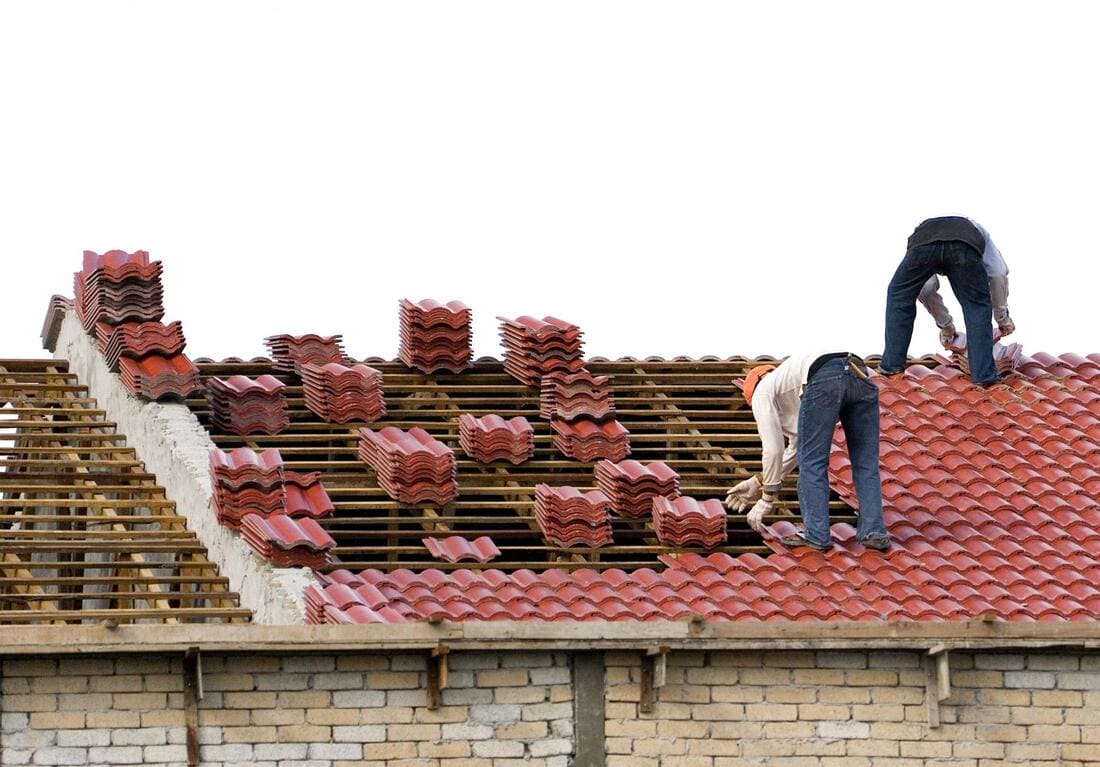
An emergency call has a narrow first objective: limit new water without putting anyone on an unsafe roof. A temporary dry-in may protect displaced tile, an opened foam seam, a damaged skylight detail, or exposed decking until the assembly is dry enough for permanent repair. It does not answer every condition below the surface, and it should not be presented as the finished solution.
The dispatcher needs roof-specific facts. Describe tile, foam, a flat section, or mixed materials; the room and approximate position of the leak; whether dripping continues; any visible tile movement; gate or driveway restrictions; ceiling height; and nearby electrical fixtures. Ground-level and interior photos can help. Availability depends on current weather, visibility, access, safety, and the contractor’s active queue, so the call should produce an honest triage decision rather than an automatic arrival promise.

What counts as urgent
Water crossing finished ceilings, a roof opening visible from the ground, displaced tile exposing paper, a split or punctured foam section, damage at a skylight over occupied space, and a failed parapet edge all warrant prompt contact. Water near can lights, wiring, or a bulging ceiling increases the indoor hazard. Keep people out from under the affected area and use an appropriate professional for any electrical concern.
A dry stain without current dripping is still a leak clue, but it can often be scheduled differently from open water entry. The same is true for one cracked tile that has not exposed underlayment. A clear description allows active openings to be prioritized without treating every cosmetic defect as an after-hours emergency. If the roof is wet, hot, wind-exposed, or difficult to reach, stay down and let the contractor assess when safe access is possible.
Temporary work and follow-up
Temporary work should be photographed and described: the protected area, material used, conditions that prevented permanent work, and any indoor signs that need monitoring. On tile, the final visit may require lifting surrounding courses to repair paper or flashing. On foam, temporary material may need removal so wet or separated foam can be identified. Skylight and parapet leaks may involve wall transitions beyond the visible opening.
Once conditions settle, the contractor should trace the path, open the necessary area, and issue a separate written scope for the permanent tile, foam, flashing, underlayment, or decking repair. The owner should know whether the temporary work is included in later pricing and what could change after concealed material is exposed. Scottsdale planning ranges put emergency dry-in at $450-$1,200; a free inspection confirms the actual scope. Call (623) 283-1450 when water is moving now.
From first symptom to written repair scope
The first conversation establishes the material, leak behavior, flat sections, skylights, parapets, recent weather, safe access, and any gate or property-manager instructions. Those details determine what the inspector should examine and whether temporary protection needs to precede a complete diagnosis.
After inspection, the homeowner should receive photos tied to a written scope. It identifies the failure, work area, material assumptions, temporary measures, cleanup, and any credible restoration or replacement alternative. The assigned contractor verifies applicable city, county, and HOA requirements before replacement or structural work begins.
Related decisions are explained in the tile repair guide, foam roof guide, leak-tracing guide, and Scottsdale pricing guide. Each page addresses a different part of the scope so bids can be compared against the roof condition actually documented. A free inspection with photos is the starting point when the roof's condition is the open question.