Replacement planning for Scottsdale tile and foam roofs, with underlayment condition, coating details, controlled access, tile salvage, and HOA documentation defined before work starts.
A Scottsdale replacement question often starts beneath a roof that still looks serviceable from the driveway. Concrete or clay tile may remain usable for decades while sun-aged asphalt felt below it becomes brittle, separates at laps, or fails around fasteners. On a foam section, the broad surface may look continuous while blisters, worn coating, ponding, or weak parapet transitions show that simple surface touchups will not provide a dependable repair. Opening representative areas and tracing the leak path turns that uncertainty into a scope.
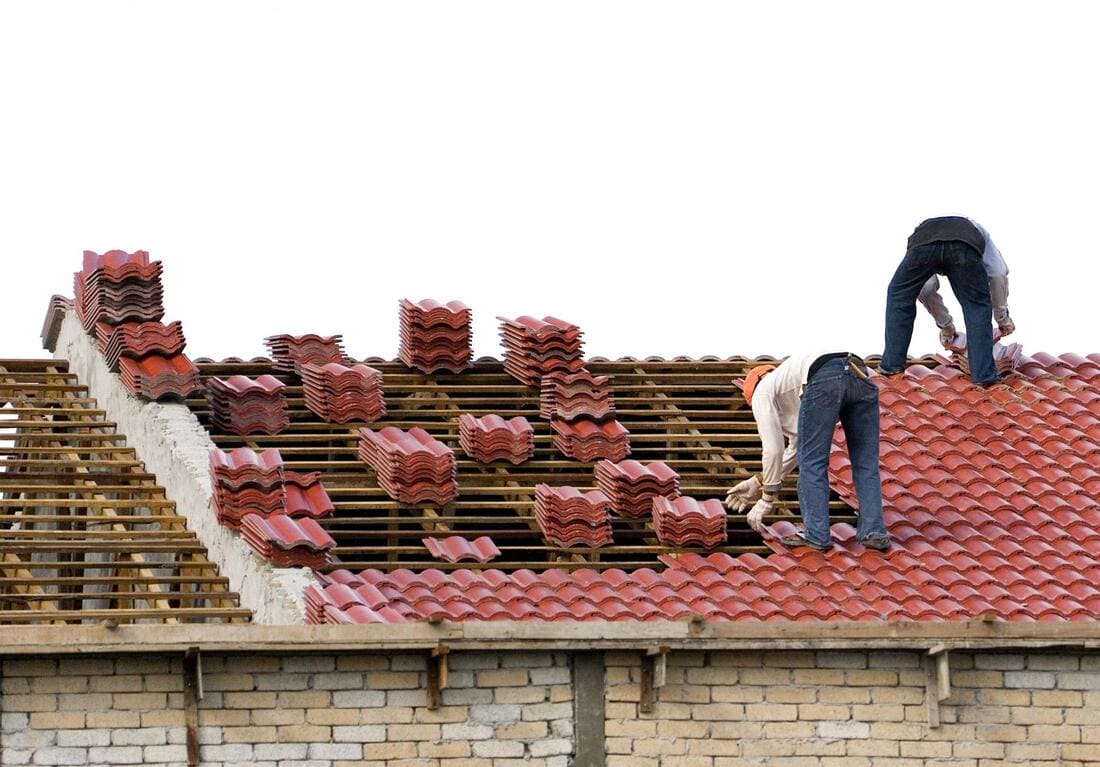
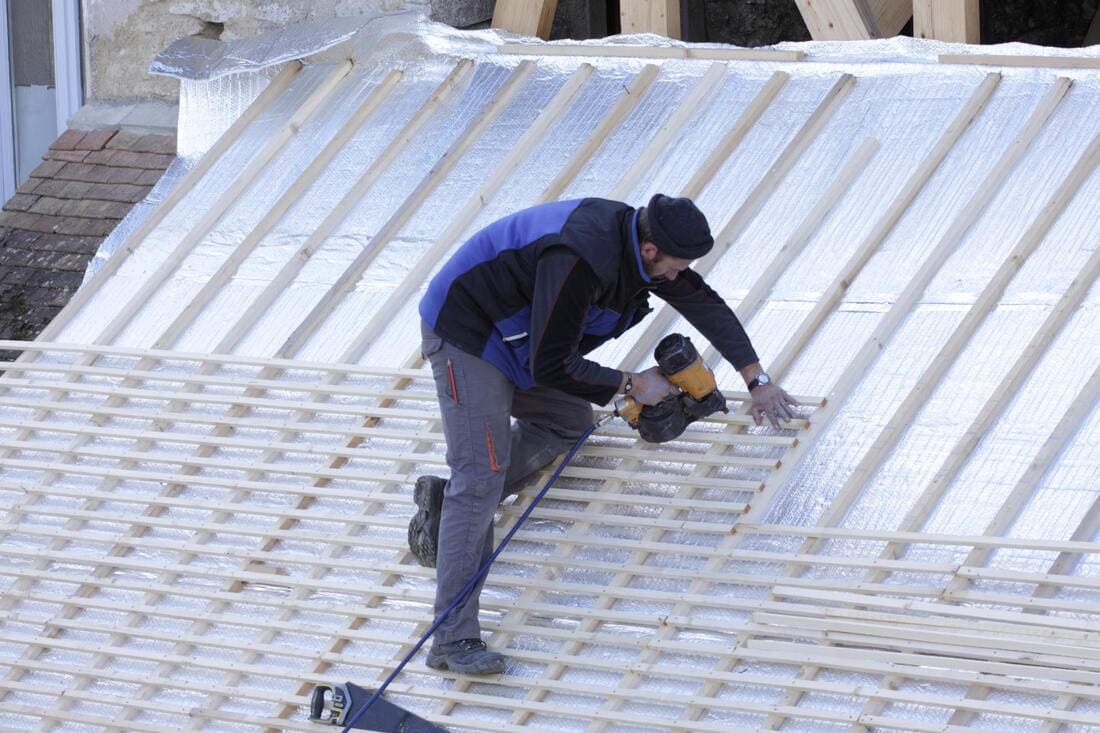
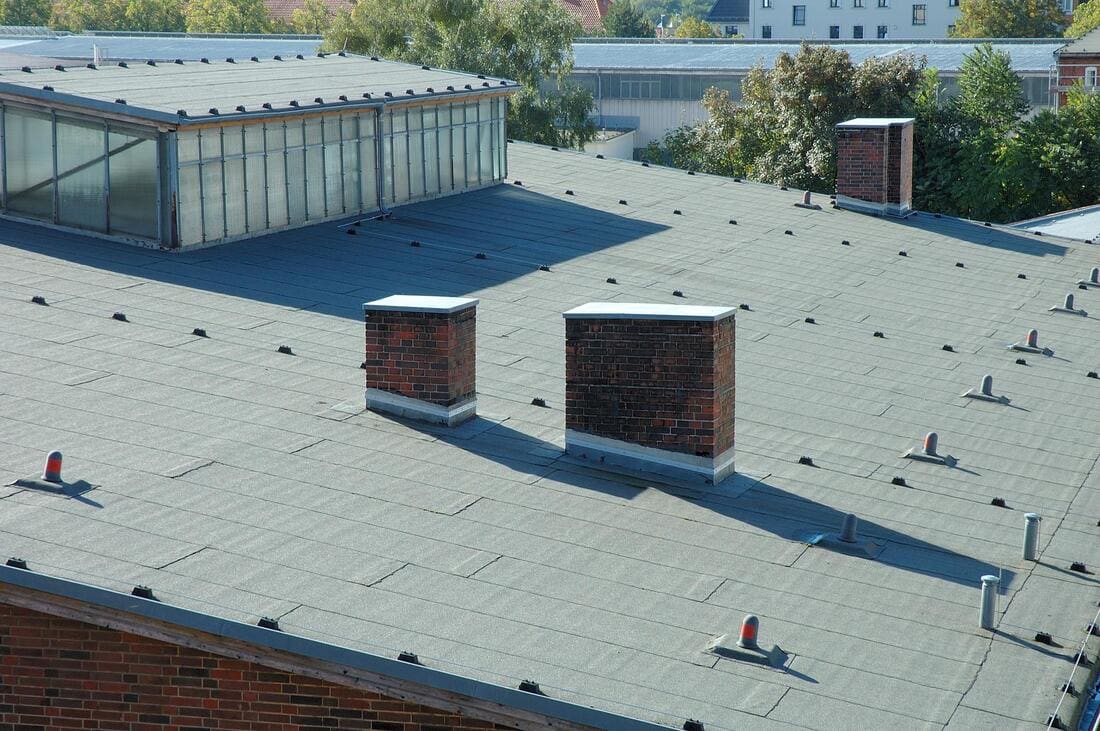
The estimate should identify which tile will be lifted, stacked, salvaged, or replaced; the underlayment and flashing assembly; batten treatment; decking allowances; valley and penetration details; and cleanup. Custom or discontinued profiles need a breakage and matching plan before crews start moving tile. Foam and low-slope work needs the same clarity around wet-material removal, crack preparation, scuppers, skylights, rooftop equipment, coating system, and tie-ins to adjacent tile. Square footage alone cannot describe those decisions.

When replacement is the honest answer
Replacement earns consideration when leaks appear on unrelated slopes, lifted tile reveals broad underlayment failure, repair edges cannot be tied into flexible material, or multiple penetrations have the same age-related breakdown. On foam, saturated areas, recurring blisters, widespread coating loss, and failed slope or drainage details can make another isolated patch poor value. Decking that is soft across more than one opening is another signal. A limited repair can still protect the house while replacement is planned, but its purpose and limits should be written down.
A useful comparison prices the credible paths, not an inexpensive patch that is unlikely to hold against a complete reroof. The scope should separate required waterproofing from elective changes such as a different tile profile or finish. It should also state how concealed decking is priced, how rooftop equipment is protected, how daily openings are dried in, and how salvaged material is stored. Those details let an owner compare proposals on the assembly being installed instead of comparing only totals.
Scottsdale access and finish expectations
Work in Gainey Ranch, DC Ranch, Grayhawk, Troon North, or Desert Mountain may begin with gate instructions and a staging plan before material quantities are finalized. Long drives, finished courtyards, pavers, landscape edges, limited parking, and rooftop HVAC all affect where debris and salvaged tile can move. The contractor should record those constraints during inspection, protect the agreed surfaces, and define cleanup expectations in the proposal rather than improvising after delivery.
Photo documentation also has a practical role. Existing tile, penetrations, transition details, and pre-work exterior conditions can be recorded for the owner or HOA review. If the replacement changes a visible finish, the assigned contractor should note that approval may be needed and verify the applicable city, county, and HOA requirements before work begins. Call (623) 283-1450 to describe the roof mix and access before scheduling the inspection.
From first symptom to written repair scope
The first conversation establishes the material, leak behavior, flat sections, skylights, parapets, recent weather, safe access, and any gate or property-manager instructions. Those details determine what the inspector should examine and whether temporary protection needs to precede a complete diagnosis.
After inspection, the homeowner should receive photos tied to a written scope. It identifies the failure, work area, material assumptions, temporary measures, cleanup, and any credible restoration or replacement alternative. The assigned contractor verifies applicable city, county, and HOA requirements before replacement or structural work begins.
Related decisions are explained in the tile repair guide, foam roof guide, leak-tracing guide, and Scottsdale pricing guide. Each page addresses a different part of the scope so bids can be compared against the roof condition actually documented. A free inspection with photos is the starting point when the roof's condition is the open question.