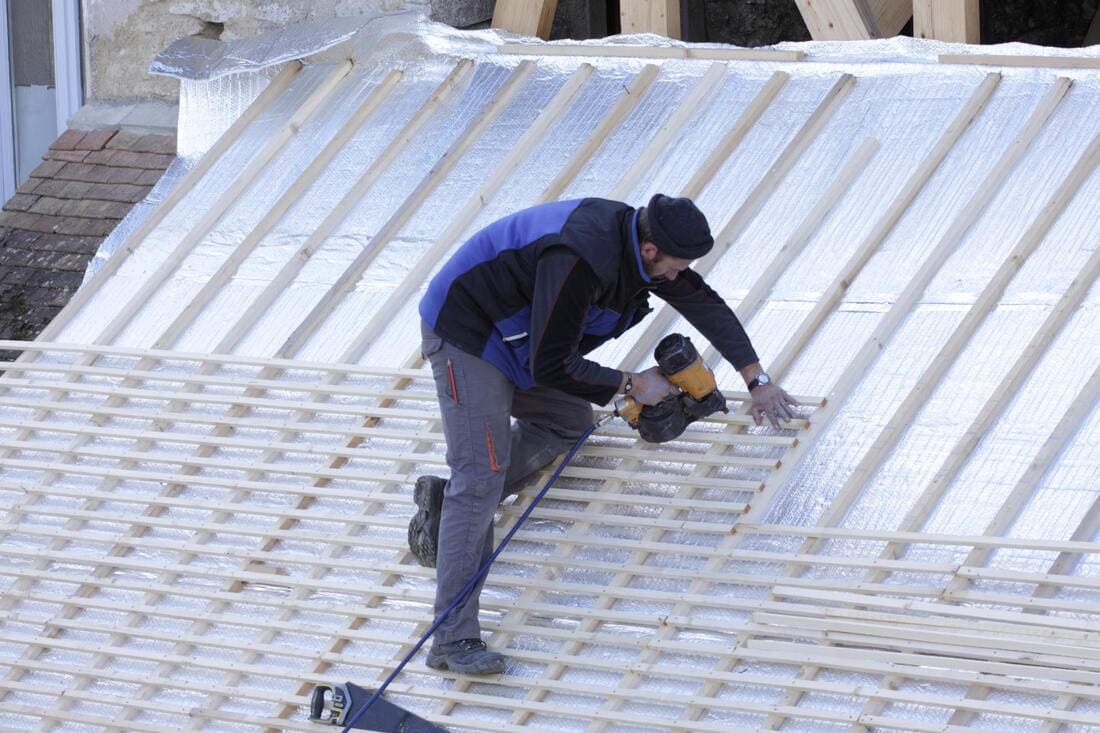
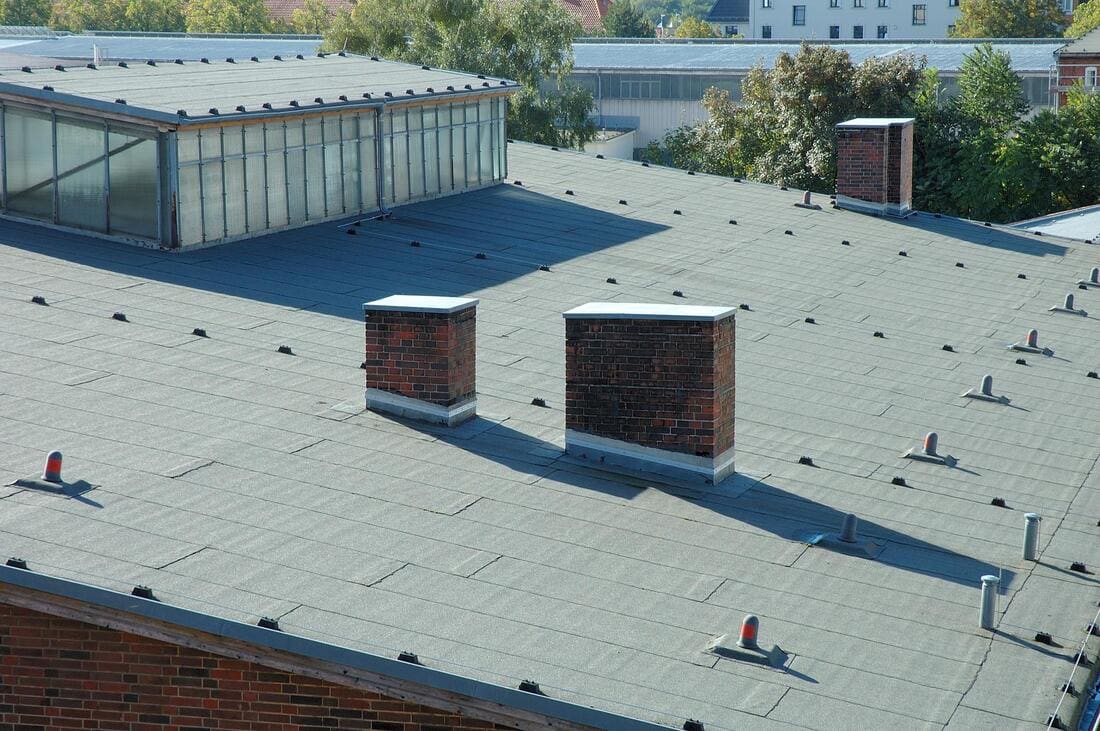
Tempe roof repair starts by identifying each roof section, especially where an older house, low-slope addition, rooftop HVAC, and changing occupancy meet.
In Tempe, the repair brief is specific: Mixed housing age, lower-slope additions, rental turnover timing, rooftop HVAC, and roof-to-wall repairs after summer storms. Scottsdale Roof Pros routes requests to a licensed, insured independent Arizona roofing contractor serving this area.
Call (623) 283-1450 with the roof material, entry instructions, visible damage, and current water status. Safe interior and ground-level photos support triage without a risky roof walk.
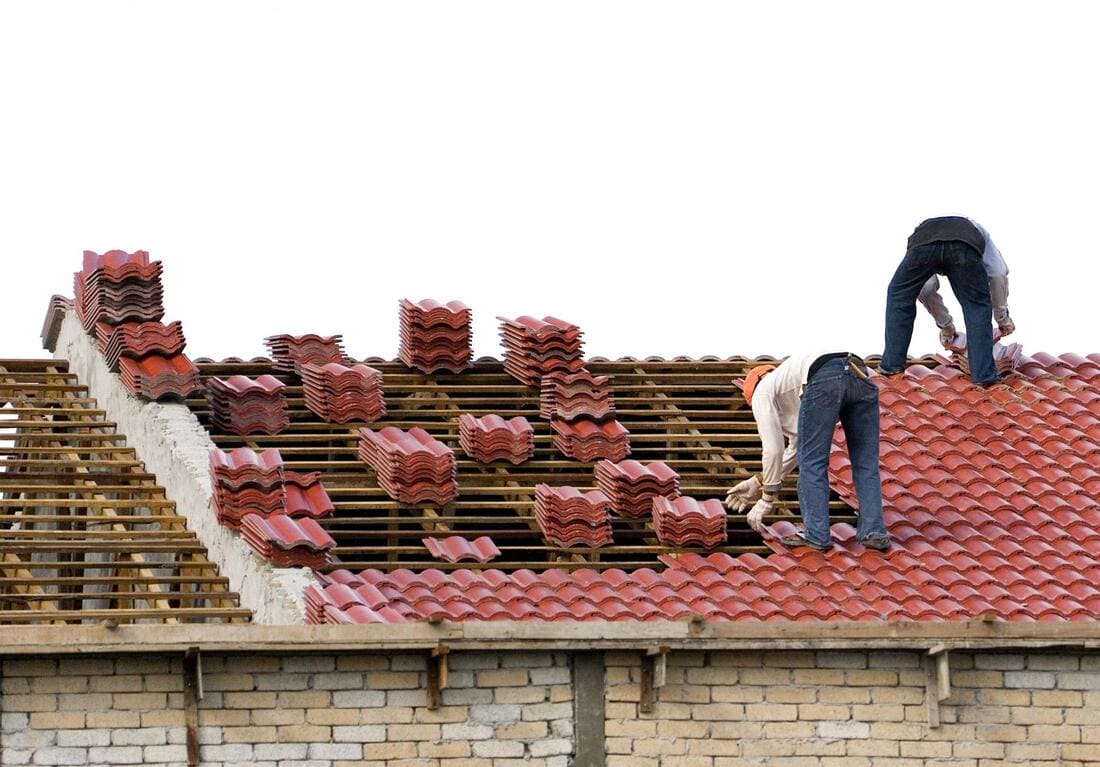
Start with the roof, the water path, and the access
The contractor needs the roof mix, interior symptom, ladder and staging options, access contacts, and any visible-finish review before opening the roof.
One address can contain several roof systems
An older ranch roof may have shingles on the original slope, tile on a remodeled front plane, and foam over a lower patio addition. Water does not stop where one material ends. The inspection should map those sections, then study roof-to-wall flashing, low-slope drainage, equipment curbs, and the tie-in above the room with damage. Pricing a tile patch before identifying the adjacent foam or shingle path can leave the real opening untouched.
Rooftop HVAC adds penetrations and a service path. A compressed foam area, disturbed tile, or aging curb detail can become part of the leak even when the equipment itself is operating normally. Photos should locate the defect relative to the unit and interior stain. If several remodel periods meet at one wall, the written scope needs to say which transition will be rebuilt and which surrounding sections remain under observation.
Document the repair for changing occupancy
A tenant, seller, buyer, or off-site owner may each hold a different piece of the story. The call should establish who can provide entry, who approves work, where water was first seen, and whether the home will be occupied during repair. Interior and roof photos give the decision-maker a shared record without asking a tenant or owner to climb for evidence.
Active entry may need temporary protection before a turnover or sale schedule can be discussed. Permanent work still requires a safe, dry diagnosis and a written scope; urgency does not make hidden underlayment or foam conditions predictable. Call (623) 283-1450 with the contact chain, access window, roof mix, and current symptom. The contractor can then separate immediate containment from the lasting repair.
From first symptom to written repair scope
The first conversation establishes the material, leak behavior, flat sections, skylights, parapets, recent weather, safe access, and any gate or property-manager instructions. Those details determine what the inspector should examine and whether temporary protection needs to precede a complete diagnosis.
After inspection, the homeowner should receive photos tied to a written scope. It identifies the failure, work area, material assumptions, temporary measures, cleanup, and any credible restoration or replacement alternative. The assigned contractor verifies applicable city, county, and HOA requirements before replacement or structural work begins.
Related decisions are explained in the tile repair guide, foam roof guide, leak-tracing guide, and Scottsdale pricing guide. Each page addresses a different part of the scope so bids can be compared against the roof condition actually documented. A free inspection with photos is the starting point when the roof's condition is the open question.
Use the service guide that matches the finding
Homeowners comparing related work can review tile roof repair, foam flat roof repair, and the Scottsdale cost guide before calling.