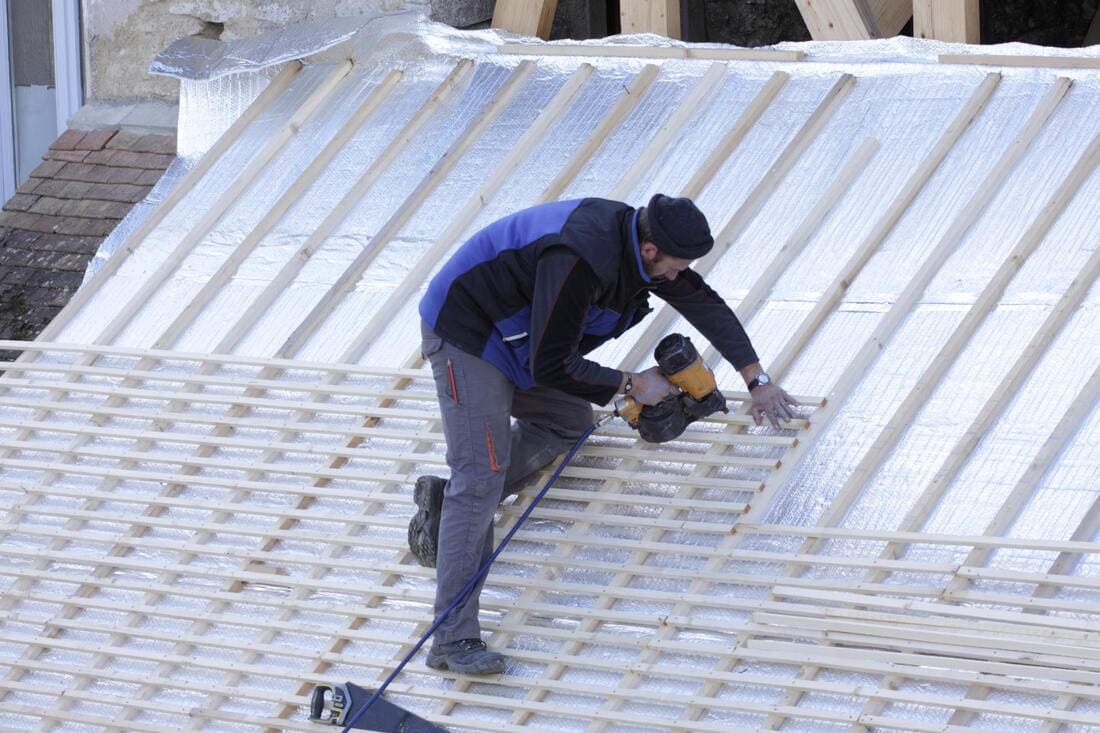
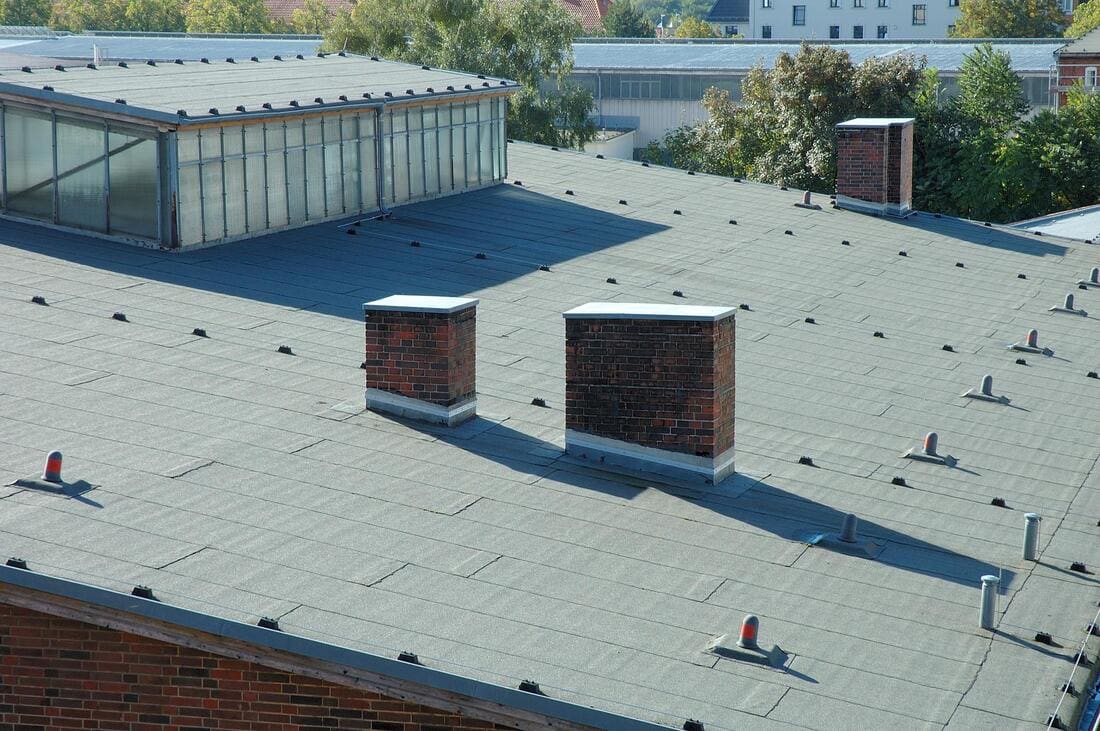
Measured storm inspection for displaced tile, wind-driven rain paths, abraded coatings, opened foam details, and occasional hail, with photos tied to a written scope.
Scottsdale storm damage often hides in movement rather than a missing roof section. A microburst can shift concrete tile enough to open a lap, loosen a hip or ridge detail, drive water sideways beneath a course, or throw debris across a coated foam surface. Dust can abrade sealants and pack into valleys or scuppers. Occasional hail may mark vents or other exposed components and can fracture already brittle material without producing an immediate indoor leak.
The National Weather Service monsoon window runs from June 15 through September 30, with the busiest period commonly in July and August. That fixed season helps with maintenance planning, but it does not prove that every roof symptom is storm damage. An inspection should separate fresh openings from age, past repairs, coating wear, and old underlayment failure. The owner needs observed conditions and a repair choice, not a conclusion built around a claim.

After a microburst
Start inside and at ground level. Photograph the room and stain, move valuables away from the path, place a container where it can sit safely, and keep clear of swollen drywall or wet fixtures. From outside, record displaced tile, debris, or runoff from the ground. Do not climb onto tile or foam while rain, lightning, or strong wind remains. A phone description of the roof type, gate conditions, and active water is enough to begin triage.
The roof inspection should cover the affected plane and the transitions that could feed it: tile laps, ridges, valleys, skylights, parapets, scuppers, patio joints, and rooftop equipment. A crack directly above the stain may be relevant, but wind-driven rain can enter higher or farther to one side. Temporary dry-in is appropriate when a permanent bond or safe opening cannot be achieved in current conditions. Its limits and follow-up work should be documented.
Useful documentation
A useful photo set begins wide enough to identify the roof plane, then moves close enough to show the condition and scale. Interior stains, displaced tile, exposed underlayment, coating splits, impact clues, and temporary protection should be labeled or described in the scope. When repair and replacement are both credible, each option should state its assumptions. Managed and gated properties may also need clean exterior views, finish notes, and access documentation for an HOA contact.
At the homeowner’s request, the assigned contractor can explain observed roof conditions during an adjuster visit and provide an itemized repair or replacement scope. Coverage and payment decisions belong to the insurance carrier. Storm support is confined to photos, written scopes, and on-site explanation; there is no promised outcome and no legitimate reason for deductible games. For a factual inspection after recent weather, call (623) 283-1450.
From first symptom to written repair scope
The first conversation establishes the material, leak behavior, flat sections, skylights, parapets, recent weather, safe access, and any gate or property-manager instructions. Those details determine what the inspector should examine and whether temporary protection needs to precede a complete diagnosis.
After inspection, the homeowner should receive photos tied to a written scope. It identifies the failure, work area, material assumptions, temporary measures, cleanup, and any credible restoration or replacement alternative. The assigned contractor verifies applicable city, county, and HOA requirements before replacement or structural work begins.
Related decisions are explained in the tile repair guide, foam roof guide, leak-tracing guide, and Scottsdale pricing guide. Each page addresses a different part of the scope so bids can be compared against the roof condition actually documented. A free inspection with photos is the starting point when the roof's condition is the open question.