Free basic roof inspection with photos for tile, foam, and mixed Scottsdale roofs, with written reports available for real-estate, HOA, and planning decisions.
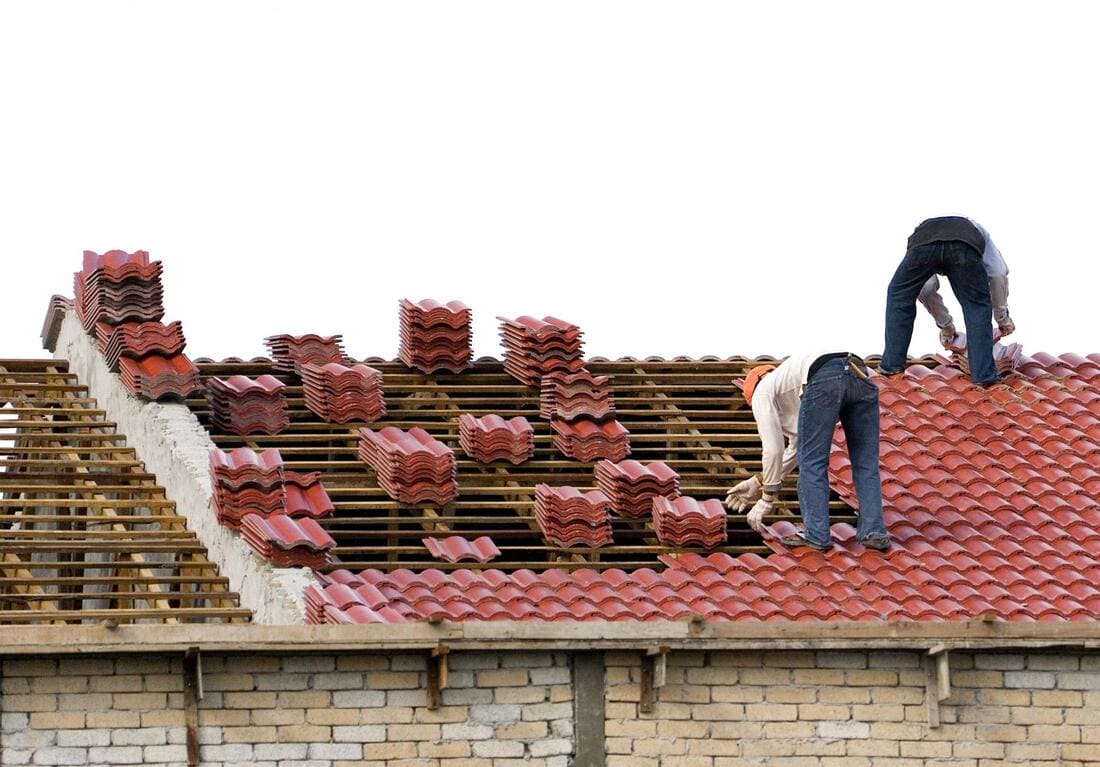
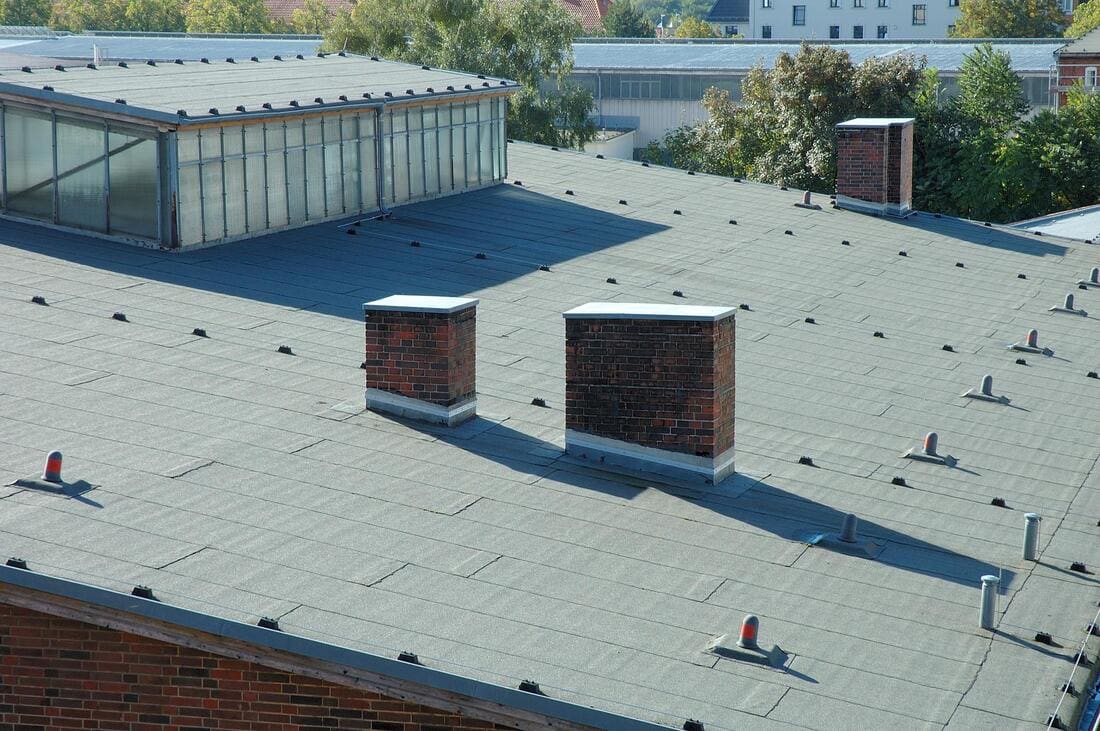
The basic inspection is free and comes with photos, and its most valuable finding is often that the roof is fine. On tile, the surface can look perfect over paper that is quietly finishing its 15-to-20-year life, so the visit checks hips, ridges, valleys, penetrations, and — where evidence justifies it — a controlled lift to see the underlayment itself. On foam, the coating is the wear item, and the walk maps chalking, cracks, blisters, ponding, and the condition at scuppers, parapets, and equipment curbs.
When a decision rides on the findings, a written report is the deliverable. Real-estate transactions, HOA submissions, and tile or foam planning reports run $250-$500 depending on the roof and the format required. The report ties each photo to a location, states what was and was not opened, and separates items that need repair now from items to watch. That distinction is what keeps a modest defect from being sold as a replacement.

What the visit covers, tile and foam alike
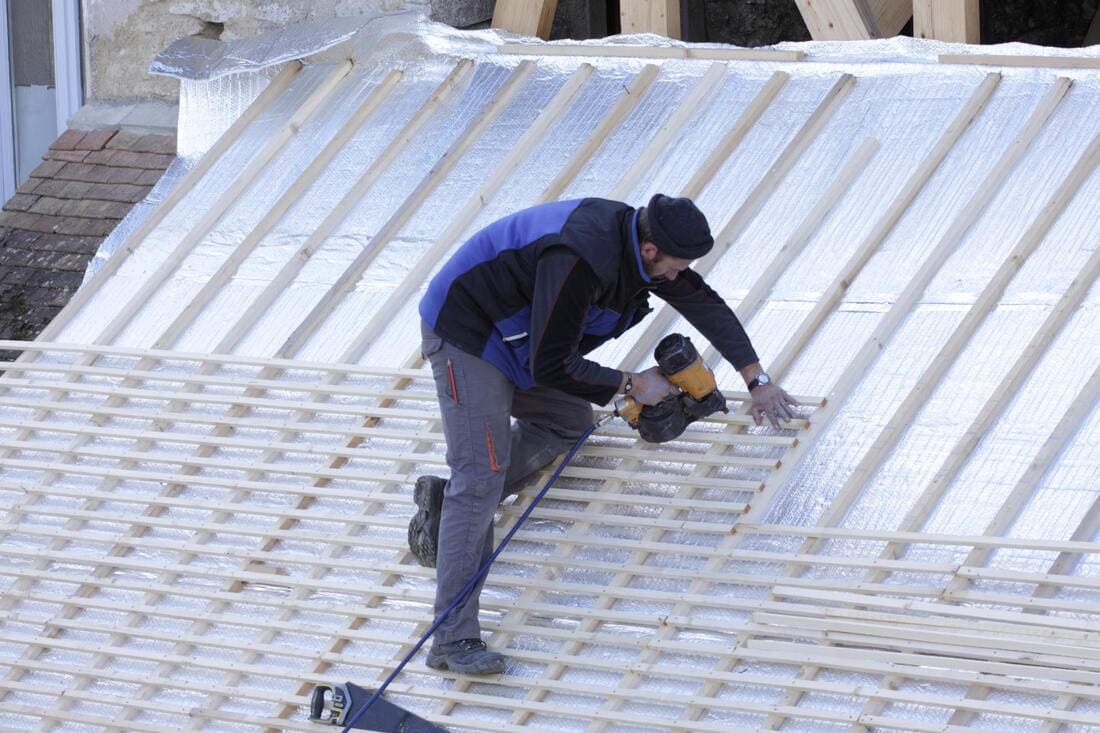
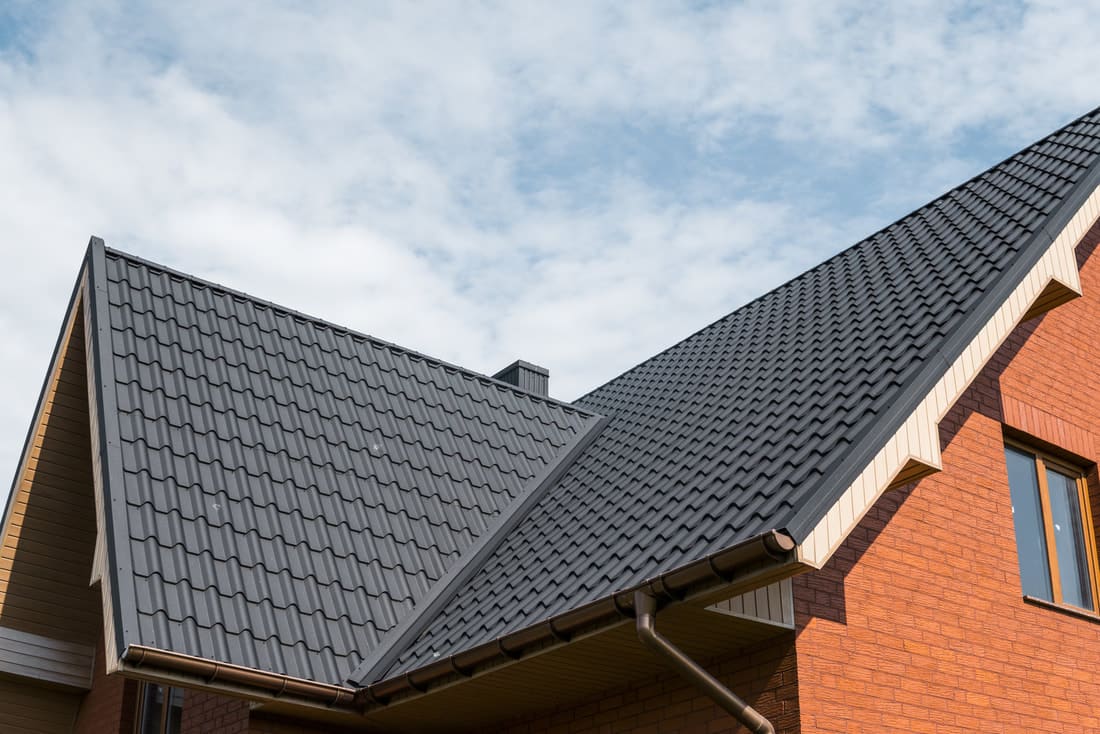
A useful inspection follows the assemblies rather than a checklist of parts. On tile: displaced or slipped pieces, cracked corners and noses, mortar and ridge condition, valley debris, pipe jacks and sealant baked by summer surface heat, flashing at walls and skylights, and the age behavior of the paper at any lifted spot. On foam: coating thickness and chalking, crack and blister patterns, drainage toward scuppers and canales, parapet caps, and the tile-to-foam seam where two systems move against each other.
Interior and access evidence rounds it out. Ceiling stains, attic views where safely reachable, and ground-level observations position the roof findings against the rooms below. Photos are taken wide enough to locate each condition and close enough to show its scale. Gated and guarded communities are handled with the access notes, clean staging, and finish awareness that Scottsdale properties expect, and the record works as an HOA exhibit when a repair will change something visible.
Buying, selling, or just planning ahead
Pre-sale and pre-purchase inspections carry different questions than a leak call. A buyer wants remaining underlayment life, coating cycle position, and any deferred detail work priced into the decision. A seller wants findings documented before a buyer’s inspector frames them. The written report supports either side with photographs and observed conditions rather than adjectives, and it can be scoped to the roof questions the transaction actually turns on.
For owners staying put, the inspection is how fall-through-spring maintenance gets planned: recoat timing on foam, underlayment strategy on aging tile, and small flashing or sealant corrections at their $350-$850 detail-repair price instead of after a ceiling stain. The free basic visit establishes the baseline; the report format is there when a document needs to travel to a buyer, board, or file. Call (623) 283-1450 to schedule either one.
From first symptom to written repair scope
The first conversation establishes the material, leak behavior, flat sections, skylights, parapets, recent weather, safe access, and any gate or property-manager instructions. Those details determine what the inspector should examine and whether temporary protection needs to precede a complete diagnosis.
After inspection, the homeowner should receive photos tied to a written scope. It identifies the failure, work area, material assumptions, temporary measures, cleanup, and any credible restoration or replacement alternative. The assigned contractor verifies applicable city, county, and HOA requirements before replacement or structural work begins.
Related decisions are explained in the tile repair guide, foam roof guide, leak-tracing guide, and Scottsdale pricing guide. Each page addresses a different part of the scope so bids can be compared against the roof condition actually documented. A free inspection with photos is the starting point when the roof's condition is the open question.