Fountain Hills roof repair combines exposed tile and foam details with hillside access, limited staging, and water paths shaped by wind at parapets and skylights.
In Fountain Hills, the repair brief is specific: Hillside homes, view lots, concrete tile, foam sections, parapet edges, and driveway or staging limits. Scottsdale Roof Pros routes requests to a licensed, insured independent Arizona roofing contractor serving this area.
Call (623) 283-1450 with the roof material, entry instructions, visible damage, and current water status. Safe interior and ground-level photos support triage without a risky roof walk.

Start with the roof, the water path, and the access
The contractor needs the roof mix, interior symptom, ladder and staging options, access contacts, and any visible-finish review before opening the roof.
The lot is part of the repair scope
A hillside or view lot can limit level ladder positions, parking, material lifts, and safe movement around the structure. The first call should cover drive slope, gate instructions, retaining walls, side-yard clearance, likely roof entry, and the location of the interior stain. Those notes help determine whether a standard inspection setup will work and whether emergency protection is practical in current weather.
Access also affects a permanent tile or foam scope. Salvaged tile needs a stable storage area, coating materials need a clean route, and debris cannot be allowed to scatter downslope. The proposal should define staging and surface protection before delivery. A lower price that assumes open flat access is not comparable to one that accounts for the actual lot.
Inspect the wind-facing transitions
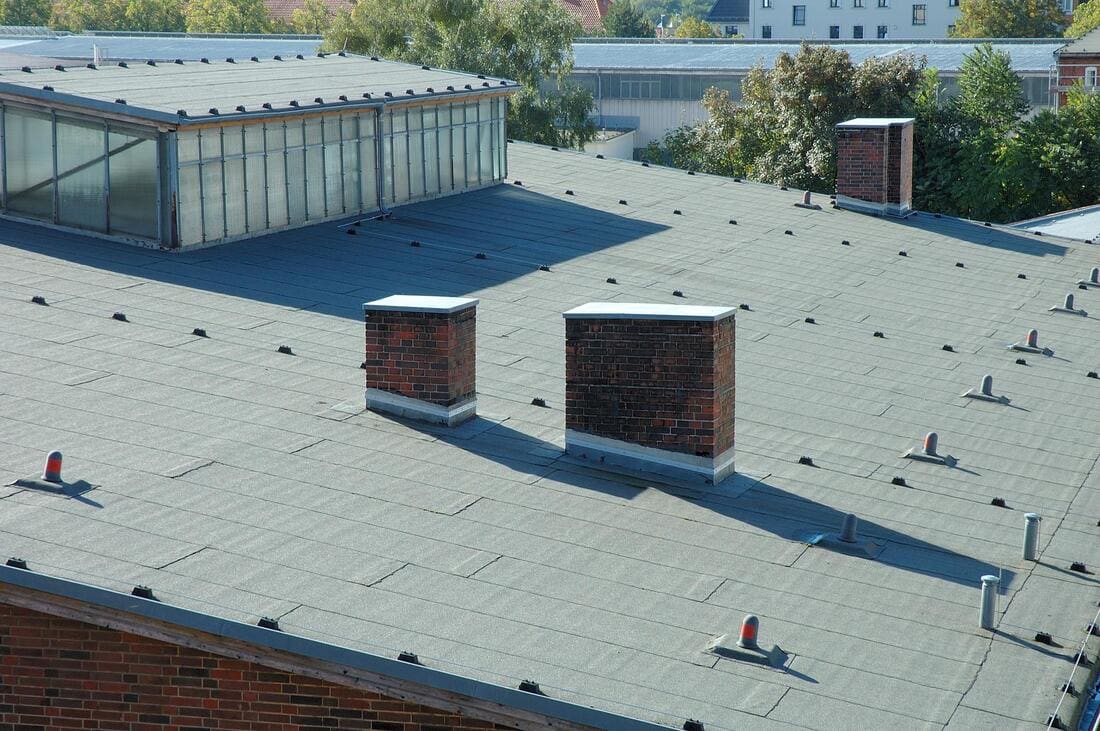
Exposed roof planes can receive rain at tile laps, parapet edges, and skylight curbs from directions that ordinary drainage does not test. A shifted tile may be one clue, but the investigation should continue upslope and sideways along underlayment, flashing, and wall returns. On foam, the most revealing defect may be a split transition or worn scupper edge rather than the center of the field.
Photos should show the relationship between the suspect detail and the room below. If surrounding paper remains flexible or foam remains dry and bonded, a focused repair may be enough. Broad brittle underlayment, repeated edge failures, or wet foam calls for a larger option. Call (623) 283-1450 with the lot and gate notes so access can be planned before the visit.
From first symptom to written repair scope
The first conversation establishes the material, leak behavior, flat sections, skylights, parapets, recent weather, safe access, and any gate or property-manager instructions. Those details determine what the inspector should examine and whether temporary protection needs to precede a complete diagnosis.
After inspection, the homeowner should receive photos tied to a written scope. It identifies the failure, work area, material assumptions, temporary measures, cleanup, and any credible restoration or replacement alternative. The assigned contractor verifies applicable city, county, and HOA requirements before replacement or structural work begins.
Related decisions are explained in the tile repair guide, foam roof guide, leak-tracing guide, and Scottsdale pricing guide. Each page addresses a different part of the scope so bids can be compared against the roof condition actually documented. A free inspection with photos is the starting point when the roof's condition is the open question.
Use the service guide that matches the finding
Homeowners comparing related work can review tile roof repair, foam flat roof repair, and the Scottsdale cost guide before calling.