Scottsdale planning ranges for tile and flashing repairs, leak tracing, foam restoration, emergency dry-ins, underlayment work, and replacement decisions.
The room may show one small stain, but pricing follows the exterior work needed to reach and rebuild the entry point. Resetting a few accessible tiles near an eave is different from creating a protected access path across brittle custom tile, lifting a field around a skylight, replacing paper and decking, then matching the finish. Foam costs change when cleaning uncovers blisters, scuppers hold water, or parapet and equipment details need reconstruction before coating.
Use every published figure as a Scottsdale-area planning range. It is not an operator rate card or a promise based on a phone description. A free inspection confirms the roof material, access, damage limits, water path, hidden-material assumptions, disposal, protection, and finish requirements. The written number should identify whether it buys a localized repair, an interim dry-in, scheduled maintenance, a broader restoration, or replacement.

Why Scottsdale quotes vary
Access changes labor before materials are counted. Roof height and pitch, a long or sloped drive, gate procedures, protected pavers, limited staging, rooftop equipment, and landscape constraints can all affect how workers and debris move. Tile profile and availability determine whether a few replacements are routine or require salvage and strategic reuse. HOA photo packets and visible-finish review add coordination that should appear in the scope rather than as a surprise.
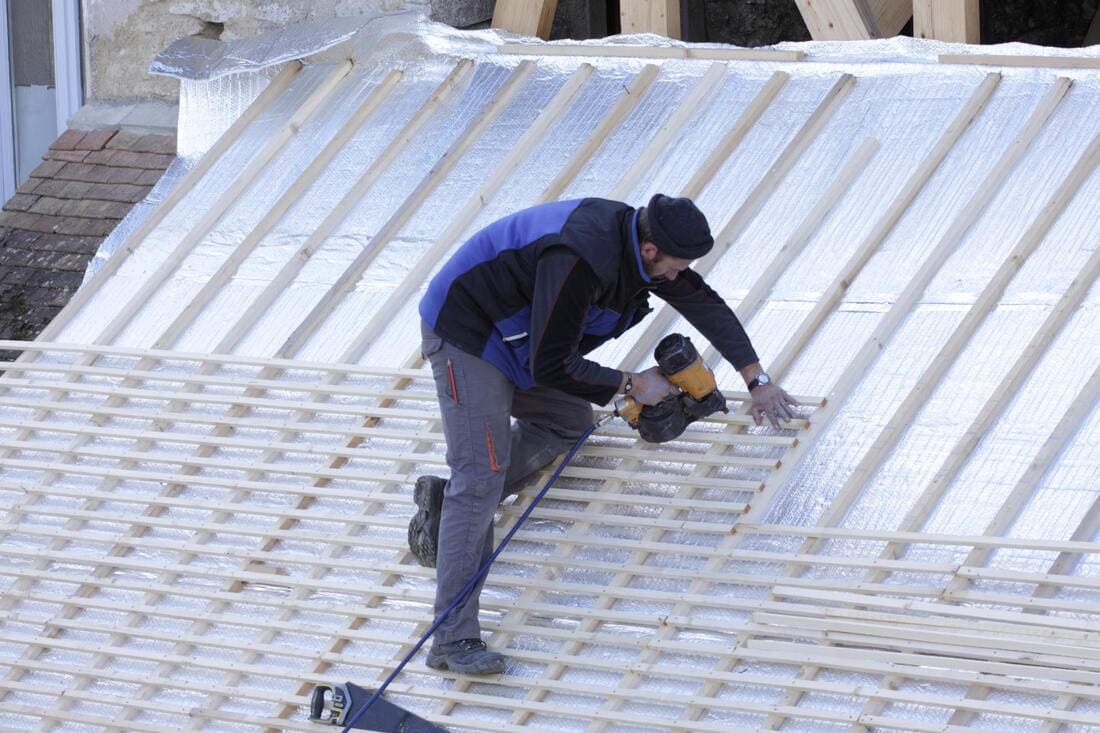
The concealed condition changes it again. Flexible paper around one puncture supports a different repair from underlayment that cracks each time tile is lifted. Dry bonded foam can accept prepared restoration; wet, separated, or poorly drained foam may require removal. Decking cannot be fully measured through finished roofing, so a proposal should explain the allowance or unit method used if opening the roof reveals more damage.
Repair before replacement, when it is real
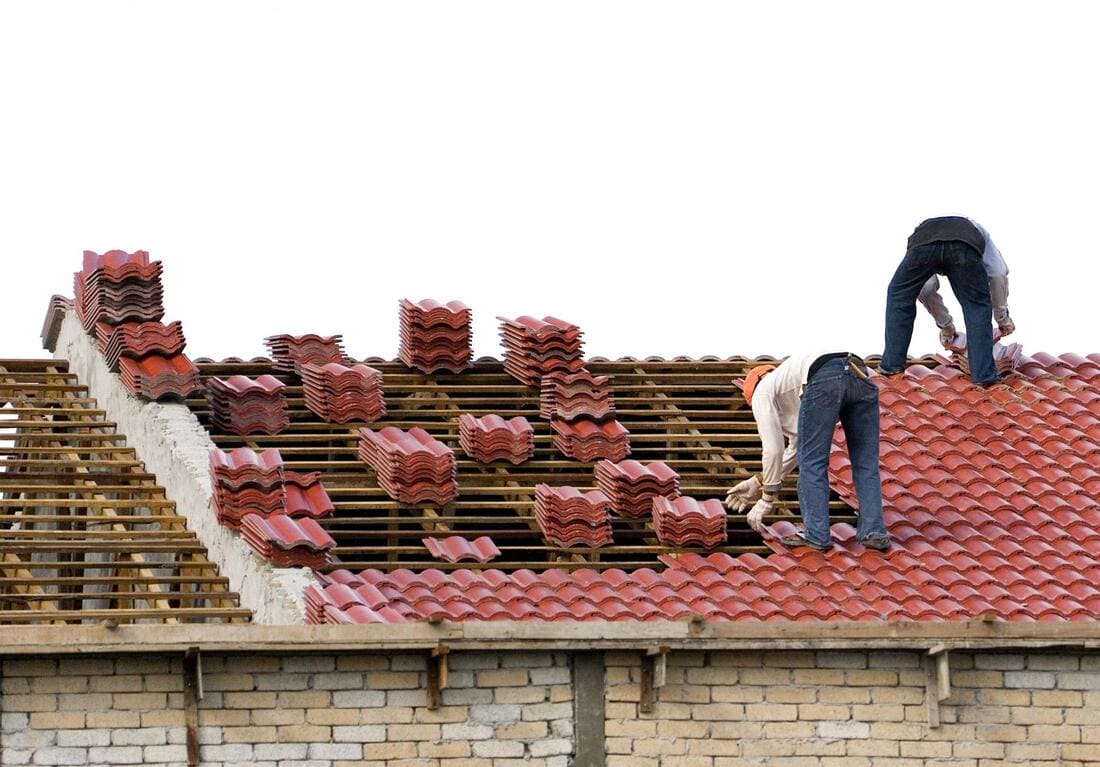
Small roof detail repair typically lands at $350-$850 for work such as resetting a few tiles, sealing a penetration, replacing a cracked pipe jack, or correcting a small flashing opening. Moderate leak tracing at $800-$2,000 can cover tile lift-and-reset work, underlayment patching, a skylight or parapet repair, and controlled water-path diagnosis. Larger tile fields, foam restoration sections, decking, or several interacting details commonly move into the $2,000-$6,000 major-repair range.
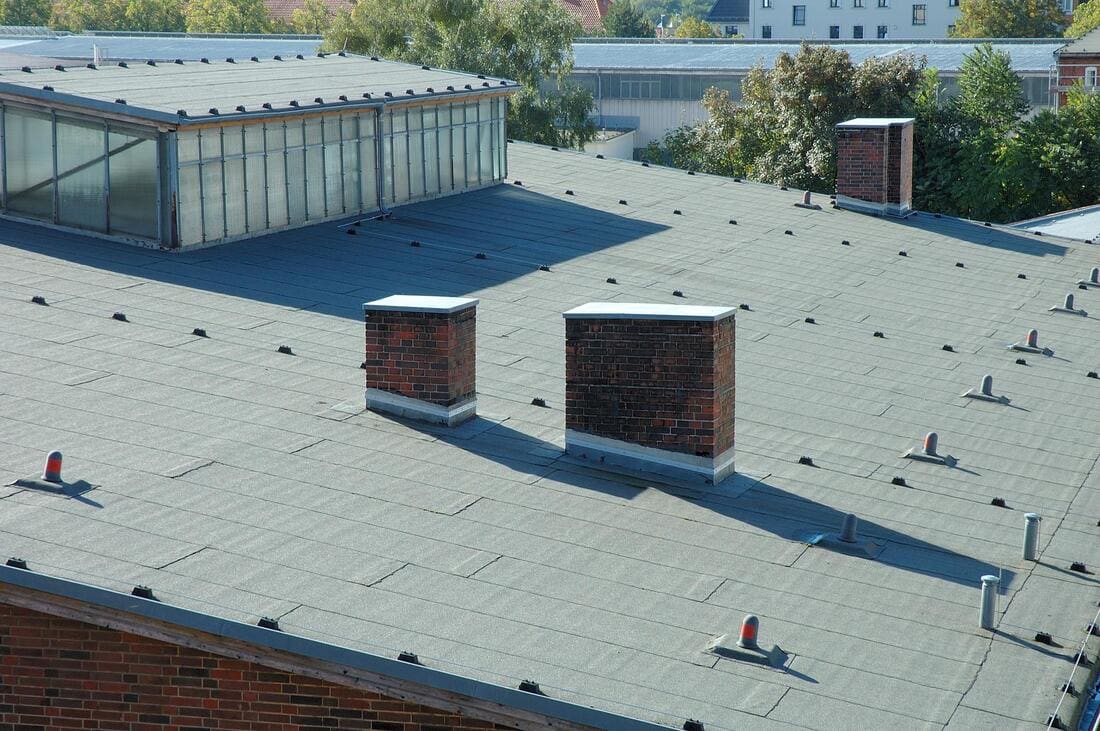
Emergency dry-in is typically $450-$1,200 and should be priced as temporary weather protection with permanent work defined separately. Foam recoating or restoration often runs $1.50-$4.50 per square foot, depending on preparation, crack treatment, coating system, and labor at scuppers, parapets, skylights, and rooftop equipment. A free basic inspection with photos is available; written tile, foam, real-estate, or similar formal reports may be $250-$500 when that deliverable is requested.
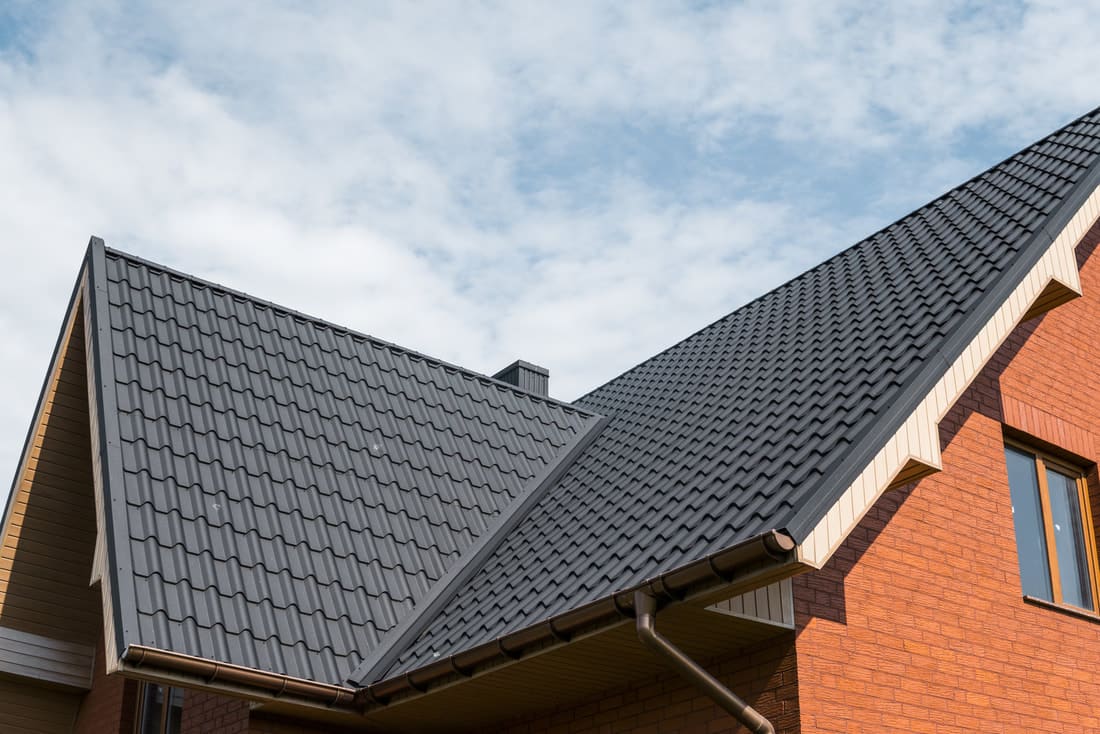
Tile underlayment or full replacement is often $18,000-$45,000+ on Scottsdale homes, roughly $650-$1,050 per square installed, with tile, pitch, access, and HOA requirements shaping the total. Seamless gutters are less universal here; where installed, typical planning is $1,500-$3,800, while repairs often run $175-$650. A focused repair remains the better value when the defect is isolated and adjacent material is sound. Repeated leaks, brittle paper across multiple slopes, wet foam, widespread coating failure, or expanding deck damage support a larger comparison.
Typical 2026 Scottsdale roof pricing ranges
These ranges reflect Scottsdale and Phoenix-market planning numbers for common repair and restoration conversations. The contractor confirms the final scope after inspecting the roof system, access, hidden damage, and material requirements.
| Scope | Planning range | What changes the number |
|---|---|---|
| Small roof detail repair | $350-$850 | Resetting a few tiles, sealing a penetration, replacing a cracked pipe jack, or correcting a small flashing opening. |
| Moderate leak trace | $800-$2,000 | Tile lift-and-reset work, underlayment patching, skylight or parapet repair, and controlled water-path diagnosis. |
| Major repair or restoration | $2,000-$6,000 | Larger tile field repairs, foam restoration sections, decking repairs, and multi-detail leak work after wind-driven rain. |
| Emergency dry-in | $450-$1,200 | Temporary weather protection after monsoon wind, broken tile fields, lifted foam details, or active interior water. |
| Tile underlayment or full replacement | $18,000-$45,000+ | Many Scottsdale homes fall near $650-$1,050 per square installed, with access, tile choice, pitch, and HOA requirements changing the scope. |
| Foam recoat or restoration | $1.50-$4.50 per sq. ft. | Cleaning, prep, crack treatment, coating system, thickness, and edge details around parapets, scuppers, skylights, and rooftop equipment. |
From first symptom to written repair scope
The first conversation establishes the material, leak behavior, flat sections, skylights, parapets, recent weather, safe access, and any gate or property-manager instructions. Those details determine what the inspector should examine and whether temporary protection needs to precede a complete diagnosis.
After inspection, the homeowner should receive photos tied to a written scope. It identifies the failure, work area, material assumptions, temporary measures, cleanup, and any credible restoration or replacement alternative. The assigned contractor verifies applicable city, county, and HOA requirements before replacement or structural work begins.
Related decisions are explained in the tile repair guide, foam roof guide, leak-tracing guide, and Scottsdale pricing guide. Each page addresses a different part of the scope so bids can be compared against the roof condition actually documented. A free inspection with photos is the starting point when the roof's condition is the open question.