Tile Roof Repair and Underlayment Diagnosis
Concrete and clay tile diagnosis for cracked or displaced pieces, aging underlayment, valleys, skylights, parapets, and water driven beneath laps during monsoon weather.
A ceiling mark may appear after one hard monsoon cell even though every tile looks seated from the drive. The opening could be brittle paper beneath a sound concrete field, a lap shifted just enough for sideways rain, a failed skylight corner, or a parapet return above the room. On a foam section, the clue might be a coating split, blister, scupper edge, equipment curb, or tile-to-foam seam. The visible stain is where water stopped traveling, not a reliable mark of where it entered.
Scottsdale roofs combine concrete and clay tile, foam and elastomeric coatings, parapet walls, scuppers, rooftop HVAC, patio additions, skylights, and occasional shingle pockets. Each material directs water differently. Tile sheds sun and most rain, while underlayment provides the waterproof layer below. Foam depends on an intact protective coating and prepared transitions. A proper inspection follows those assemblies, opens material only where evidence points, and photographs what cannot be seen from inside.
Scottsdale Roof Pros routes calls and forms to a licensed, insured independent Arizona roofing contractor serving Scottsdale and nearby communities. The inspection should leave you with a failure description, roof photos, and a written scope. When a focused repair can tie into sound material, that option should be clear. When paper is brittle across several slopes, foam is wet or separated, or decking has lost strength, the contractor should show why restoration or replacement deserves comparison.
If water is active, call (623) 283-1450. Move belongings from the path, contain drips only where the ceiling is stable, and keep clear of wet electrical fixtures. Photograph the room and the stain from a safe position. Leave wet tile, hot foam, and storm-exposed roof surfaces to the inspector. Useful details on the call include the roof type, room affected, whether flow changes with wind, gate or parking instructions, and any recent rooftop service.
Homeowners researching the likely mechanism can start with the tile roof guide, foam roof guide, or leak-tracing guide. Those pages explain what should be inspected before a price is firm and where a small surface fix can miss the waterproofing below. Before the June 15 storm window, the monsoon prep guide covers the maintenance that keeps those calls from happening at all.
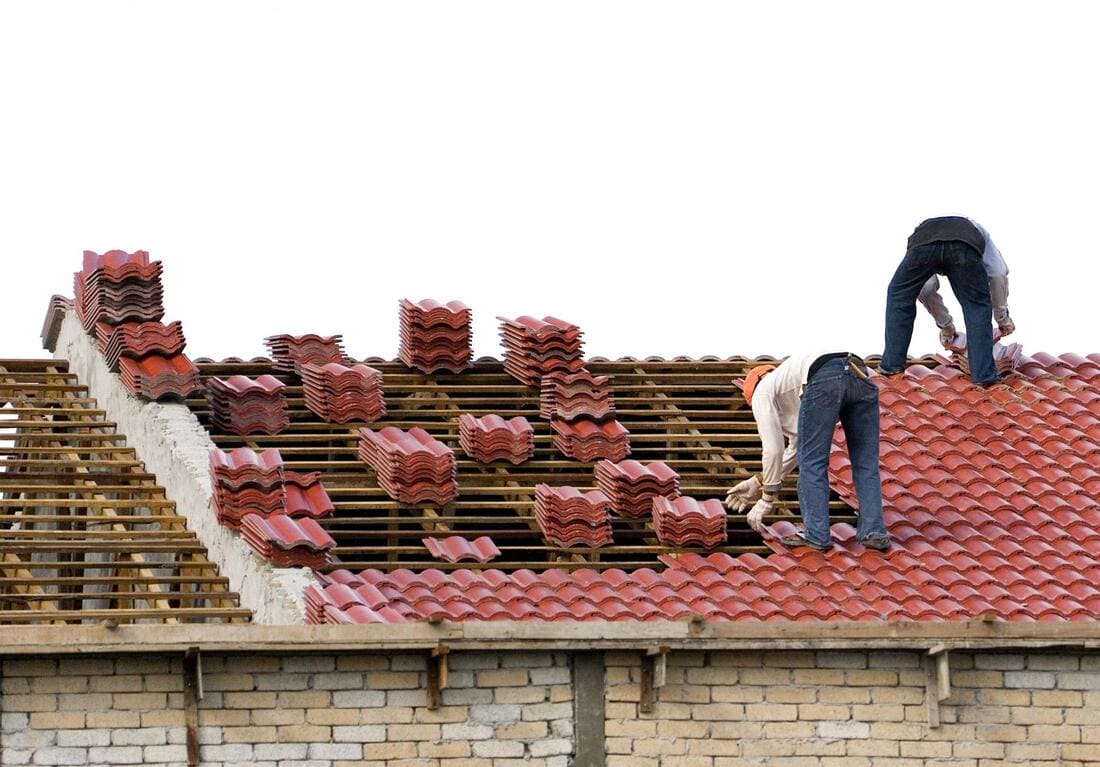
Concrete and clay tile diagnosis for cracked or displaced pieces, aging underlayment, valleys, skylights, parapets, and water driven beneath laps during monsoon weather.
Foam and elastomeric roof diagnosis for worn coatings, exposed foam, blisters, ponding, scuppers, parapets, skylights, and rooftop-equipment transitions.
Water-path diagnosis for Scottsdale homes where the opening may sit beneath tile, at a parapet or skylight, across a foam joint, or above a patio connection.
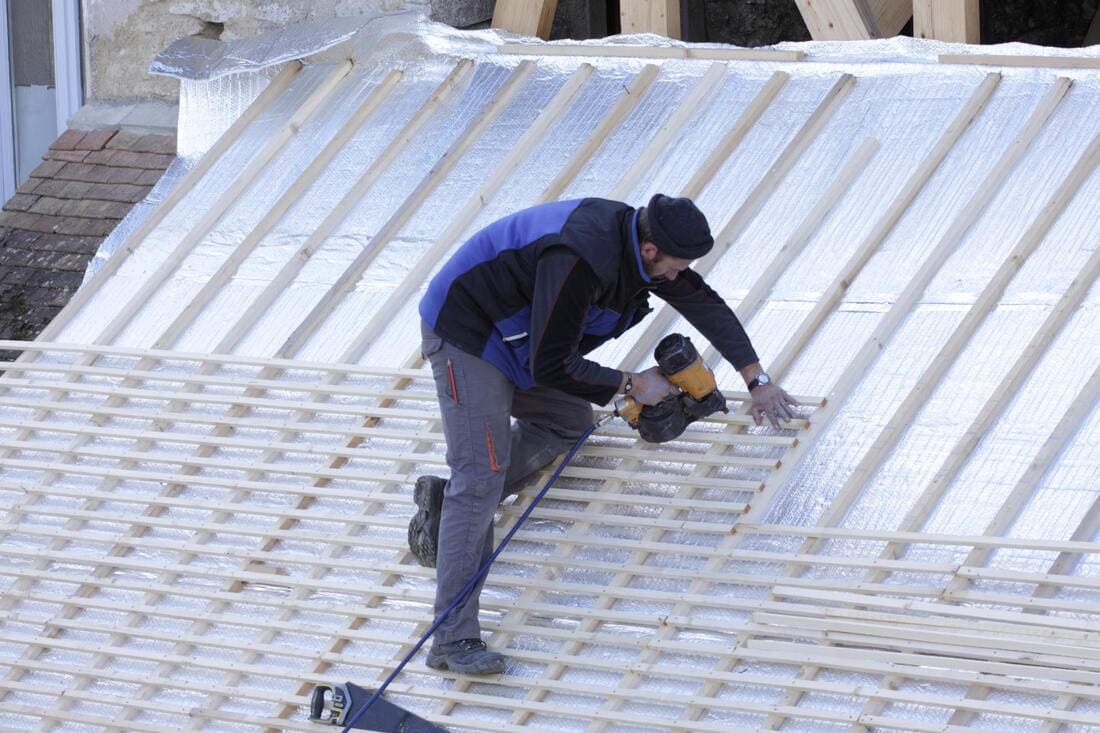
First, identify every material that can feed the symptom. A tile slope may drain onto foam; a parapet may terminate beside a skylight; a patio addition may meet an older ranch roof at a wall. The inspector should connect interior evidence to that layout and examine valleys, flashing, penetrations, scuppers, and transition joints. On tile, lifting a controlled area reveals paper, fasteners, battens, and decking. On foam, surface condition, drainage, bond, and moisture clues determine whether patching or coating has a sound base.
Next, show the finding in context. A wide photo identifies the roof plane; a close image documents the opening or deterioration; an interior view connects the roof work to the homeowner’s symptom. The report should also record serviceable surrounding material. That evidence is useful for repair decisions, tile matching, HOA review, an off-site owner, or a later maintenance comparison. It should never be replaced by stock imagery presented as a local project.
Finally, write the scope in terms that can be checked. It should name the repair area, removal and reset work, underlayment or coating system, flashing details, decking assumptions, access and protection, debris handling, and follow-up. If temporary dry-in was completed, describe it separately from the permanent repair. If two paths are credible, such as a localized repair now and underlayment replacement later, define the useful life and limits of each without promising a result the roof cannot support.
One isolated defect with sound material around it is a repair candidate. Paper that breaks farther each time tile is lifted, leaks on unrelated slopes, widespread exposed foam, recurring blisters, chronic ponding, and soft decking change the economics. In those cases, ask for a replacement or restoration comparison that explains salvage, matching, wet-area removal, and concealed-damage pricing. A larger proposal should earn its place through roof evidence, not arrive automatically because a homeowner reported a stain.
Gated and guarded communities may require entry coordination, limited parking, protected pavers, controlled staging, and documentation before a visible finish changes. Custom tile can require salvage or strategic reuse when an exact profile is unavailable. Record those conditions during inspection so two bids can be compared on the same access and appearance assumptions. For replacement or structural roof work, the assigned contractor verifies the applicable City of Scottsdale, Maricopa County, and HOA requirements before work begins.
Scottsdale roofing service
Replacement planning begins below the finish. A tile proposal should define salvage, matching, underlayment, battens, flashing, decking allowances, staging, and HOA documents. A foam proposal should distinguish dry material that can be restored from wet or separated sections that must be rebuilt.
Scottsdale roofing service
Tile can remain attractive above paper that has reached the end of its useful life. Careful lifting reveals whether the repair belongs at one break, valley, fastener, skylight, or wider underlayment field, while salvage planning protects custom and discontinued profiles.
Scottsdale roofing service
When the paper has aged out across a slope but the tile above it remains sound, a lift-and-relay replaces the underlayment, flashing, and battens and returns the original tile. The scope should define salvage handling, breakage allowance, phasing, and HOA documentation.
Scottsdale roofing service
Foam diagnosis checks the exposed coating, cracks, blisters, soft areas, ponding, scuppers, parapets, equipment curbs, skylights, and tile transitions. A lasting recoat follows cleaning and repair on foam confirmed to be dry and bonded.
Scottsdale roofing service
Leak tracing connects the indoor mark to the roof plane and every transition that can feed it. Water may cross underlayment, follow a foam edge, descend behind a parapet, or reach a skylight shaft from an opening farther upslope.
Scottsdale roofing service
A drip at the skylight shaft rarely names its own cause. Curb flashing, glazing seals, upslope underlayment, and coating turns at the curb base each fail differently, and the repair should follow the tested layer instead of defaulting to a new unit.
Scottsdale roofing service
Monsoon wind can displace tile, abrade coatings, open a foam edge, and force rain beneath a lap. A useful inspection separates observed storm conditions from age and maintenance, then records the repair in photos and an itemized scope.
Scottsdale roofing service
Emergency work limits active entry at displaced tile, exposed decking, opened foam, or a failed skylight detail. The dry-in is documented as temporary protection, followed by safe leak tracing and a separate permanent repair scope.
Scottsdale roofing service
The basic inspection is free and comes with photos. Written tile, foam, and real-estate reports are available when a document must support a transaction, an HOA submission, or an underlayment and recoat planning decision.
Scottsdale roofing service
The monsoon window opens June 15 every year. A pre-season checkup closes the small openings storm cells exploit: loose tile laps, baked sealants, coating cracks, and dust-packed scuppers, all priced as ordinary maintenance instead of storm response.
Scottsdale roofing service
Scottsdale runoff control is often selective. A targeted gutter, downspout, scupper correction, or fascia repair can protect one entry, patio, courtyard, or concentrated valley outlet when continuous eave coverage adds little value.
Scottsdale roofing service
Fascia, trim, stucco returns, patio covers, parapet walls, and roof-to-wall flashing can share one water path. Inspecting the vertical and roof surfaces together prevents a finish patch from leaving the opening above it.
Scottsdale roofing service
The pricing guide connects published ranges to roof material, tile availability, foam condition, access, concealed damage, emergency timing, finish matching, and documentation. It also shows which assumptions belong in a comparable written bid.
Price follows the work needed to expose and rebuild the failure. Tile profile, salvage availability, underlayment condition, roof height, gate and staging limits, foam bond, drainage, parapet details, hidden decking, and emergency timing can all change the number. Use the table to place a likely scope, then compare the inspection photos and written assumptions behind each proposal.
| Scope | Typical range | What it includes |
|---|---|---|
| Small roof detail repair | $350-$850 | Resetting a few tiles, sealing a penetration, replacing a cracked pipe jack, or correcting a small flashing opening. |
| Moderate leak trace | $800-$2,000 | Tile lift-and-reset work, underlayment patching, skylight or parapet repair, and controlled water-path diagnosis. |
| Major repair or restoration | $2,000-$6,000 | Larger tile field repairs, foam restoration sections, decking repairs, and multi-detail leak work after wind-driven rain. |
| Emergency dry-in | $450-$1,200 | Temporary weather protection after monsoon wind, broken tile fields, lifted foam details, or active interior water. |
| Tile underlayment or full replacement | $18,000-$45,000+ | Many Scottsdale homes fall near $650-$1,050 per square installed, with access, tile choice, pitch, and HOA requirements changing the scope. |
| Foam recoat or restoration | $1.50-$4.50 per sq. ft. | Cleaning, prep, crack treatment, coating system, thickness, and edge details around parapets, scuppers, skylights, and rooftop equipment. |
These are typical Scottsdale-area planning ranges, not a binding offer. The free inspection confirms materials, access, concealed-condition allowances, finish matching, protection, cleanup, and the firm written price before work is authorized.
South Scottsdale and Old Town ranch homes can carry remodel tie-ins and mixed materials, while North Scottsdale custom properties more often add guarded access, tile matching, foam sections, and finish review to the job. Core routing includes Scottsdale ZIP codes listed on the areas page and nearby Maricopa County communities. The address and current schedule are confirmed before an appointment is set.
Custom-home access and finish planning are covered in the Paradise Valley guide and the North Scottsdale guide. For older ranch roofs and remodel junctions, see the Phoenix-area guide. Call (623) 283-1450 with the address, roof material, current symptom, and access instructions to confirm routing.

Tile underlayment age, shifted or broken pieces, worn foam coatings, skylight curbs, parapet returns, scuppers, rooftop-equipment details, patio tie-ins, and the joint between tile and foam all deserve attention. Monsoon wind can drive water beneath ordinary drainage laps, while strong UV and thermal movement age exposed sealants and coatings. The inspection should identify the active mechanism instead of assuming the most visible defect caused the indoor stain.
Typical Scottsdale planning ranges are $350-$850 for a small roof detail, $800-$2,000 for moderate leak tracing and underlayment work, and $2,000-$6,000 for a major repair or restoration section. Emergency dry-in is commonly $450-$1,200. Foam recoats often run $1.50-$4.50 per square foot, while tile underlayment or full replacement on many homes is $18,000-$45,000+. A free inspection confirms the actual written scope.
Yes, when the failure is contained and nearby underlayment remains flexible enough for a sound tie-in. A contractor may lift and reset tile around one valley, skylight, penetration, or small field, replace damaged paper or flashing, and reuse serviceable pieces. Broader underlayment replacement deserves comparison when paper breaks as it is handled, several slopes leak, or each new opening finds the same deterioration.
That is the useful maintenance window. The foam can remain durable, while the exposed elastomeric coating is gradually worn by sun, movement, dust, and traffic. Scottsdale owners commonly plan a review on roughly a five-year cycle. If the foam is still dry and bonded, cleaning, crack and blister repair, edge detailing, and a compatible recoat can preserve it before broad exposure creates a larger restoration problem.
The assigned contractor can photograph observed tile, foam, flashing, interior-water, and temporary-protection conditions, then prepare an itemized repair or replacement scope. When the homeowner requests it, the contractor can explain construction findings during an adjuster visit. Only the carrier can decide which conditions receive coverage and how payment is issued. Documentation support does not promise approval or change the homeowner’s deductible obligations.
Calls route to a licensed, insured independent Arizona roofing contractor. Arizona roofing contractors are licensed through the Arizona Registrar of Contractors, and residential roofing falls under the CR-42 classification. Before authorizing work, request the serving contractor’s ROC number and verify its status and complaint history with the Registrar at roc.az.gov. The number on the written proposal should match the contractor you are hiring.
Call Us Today
Scottsdale Roof Pros
(623) 283-1450Tell the dispatcher what kind of roof you have, where water is showing, and whether the property has gate or HOA instructions.
“Found the exact boot that was letting water in and replaced it in one visit. Took a little longer than the estimate, but the quote did not move a dollar.”
“Walked the whole roof, showed me photos, and told me I had a few years left instead of pushing a replacement. That is how you earn the next job.”
“A storm blew a section of fascia loose. They dried it in the same day so the weather could not do more damage, then finished the fix clean.”