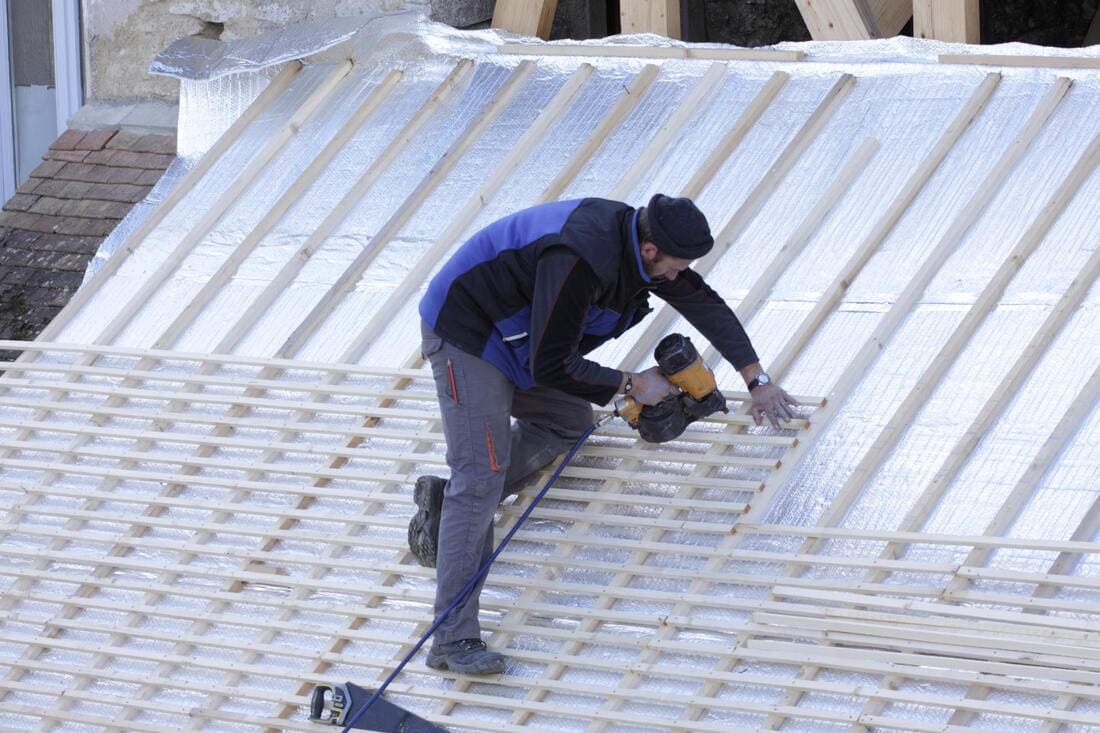
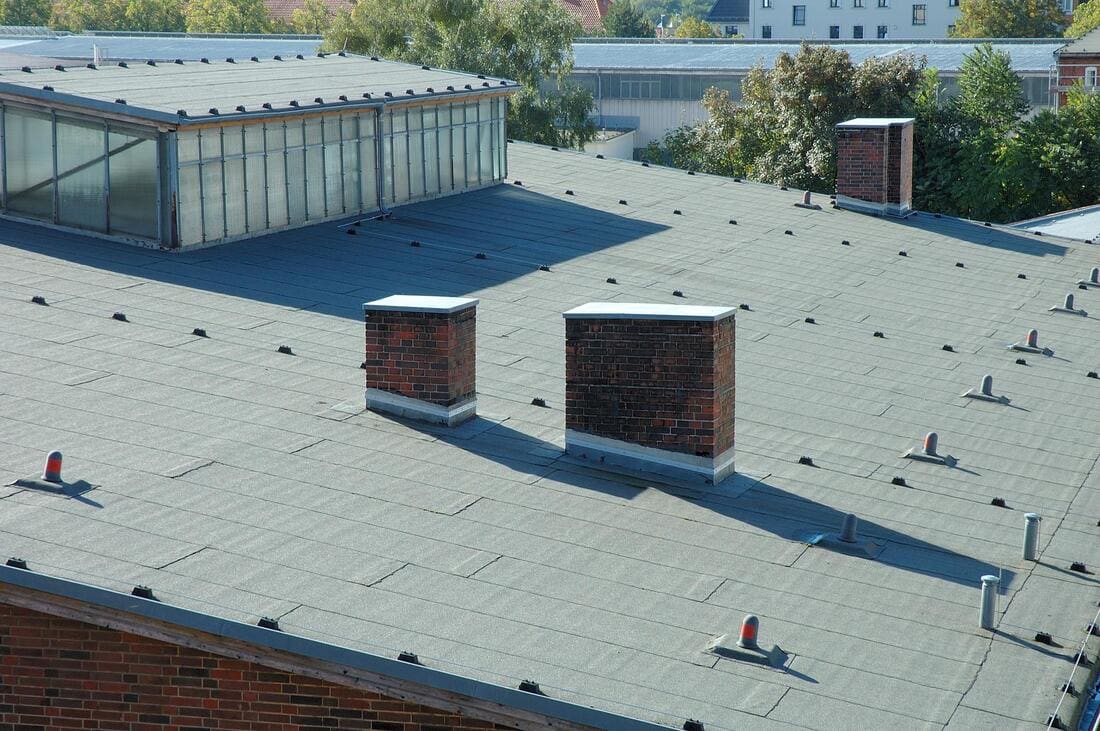
Water-path diagnosis for Scottsdale homes where the opening may sit beneath tile, at a parapet or skylight, across a foam joint, or above a patio connection.
A brown ring beside a skylight does not prove the skylight itself is open. Water may enter upslope through brittle underlayment, travel along the deck, reach the curb, and then follow the shaft to the ceiling. A stain beside a parapet can begin at the cap, a stucco-to-roof return, or a split in the foam coating. Tile, foam, walls, and patio sections often meet on one Scottsdale house, giving water several concealed routes before it becomes visible.
Useful leak tracing begins with timing and pattern. Does water appear only with wind from a certain direction, during a heavy monsoon downpour, after rooftop HVAC service, or whenever even light rain reaches the roof? The inspector should record the indoor mark, check attic or ceiling access when safely available, identify the roof plane above it, and examine transitions beyond that point. Opening material should follow evidence, not a convenient guess from directly overhead.

Leak points that deserve close attention
Tile valleys collect runoff and can send water sideways when debris blocks the intended channel. Underlayment laps and fastener points become vulnerable as felt ages. Skylight corners combine curb flashing, roofing material, coating or paper, and sealant in a compact area. Parapet caps and stucco returns can feed water behind the visible roof surface. On foam, scuppers, cracks, blisters, equipment curbs, and the tile-to-foam seam deserve more attention than a random layer of coating over the broad field.
Wind-driven monsoon rain tests these details differently from a gentle shower. Water can move beneath a tile lap, climb a small vertical face, or arrive at a wall transition from the side. Dust packed near a valley or scupper can alter drainage for the duration of a heavy cell. The inspection should therefore look at how the assembly manages moving water, not simply count cracked tile or coat the area nearest the stain.
When a leak repair should pause
A repair scope should state which material was lifted or opened, what condition was found below, how the new waterproofing ties into sound material, and which adjacent details were checked. Photos before and after opening help an owner understand why the exterior repair may be several feet from the interior symptom. They also create a usable record when an HOA or property manager needs to see a visible exterior change.
Work should pause for a larger decision when tile removal exposes brittle paper beyond the planned area, foam is wet or separated across several test points, decking has lost strength, or unrelated leak routes appear on multiple roof planes. Emergency protection can still limit new water while a restoration or replacement option is written. Call (623) 283-1450 if water is active; inside, move belongings, contain drips safely, and avoid any swollen ceiling or wet electrical area.
From first symptom to written repair scope
The first conversation establishes the material, leak behavior, flat sections, skylights, parapets, recent weather, safe access, and any gate or property-manager instructions. Those details determine what the inspector should examine and whether temporary protection needs to precede a complete diagnosis.
After inspection, the homeowner should receive photos tied to a written scope. It identifies the failure, work area, material assumptions, temporary measures, cleanup, and any credible restoration or replacement alternative. The assigned contractor verifies applicable city, county, and HOA requirements before replacement or structural work begins.
Related decisions are explained in the tile repair guide, foam roof guide, leak-tracing guide, and Scottsdale pricing guide. Each page addresses a different part of the scope so bids can be compared against the roof condition actually documented. A free inspection with photos is the starting point when the roof's condition is the open question.