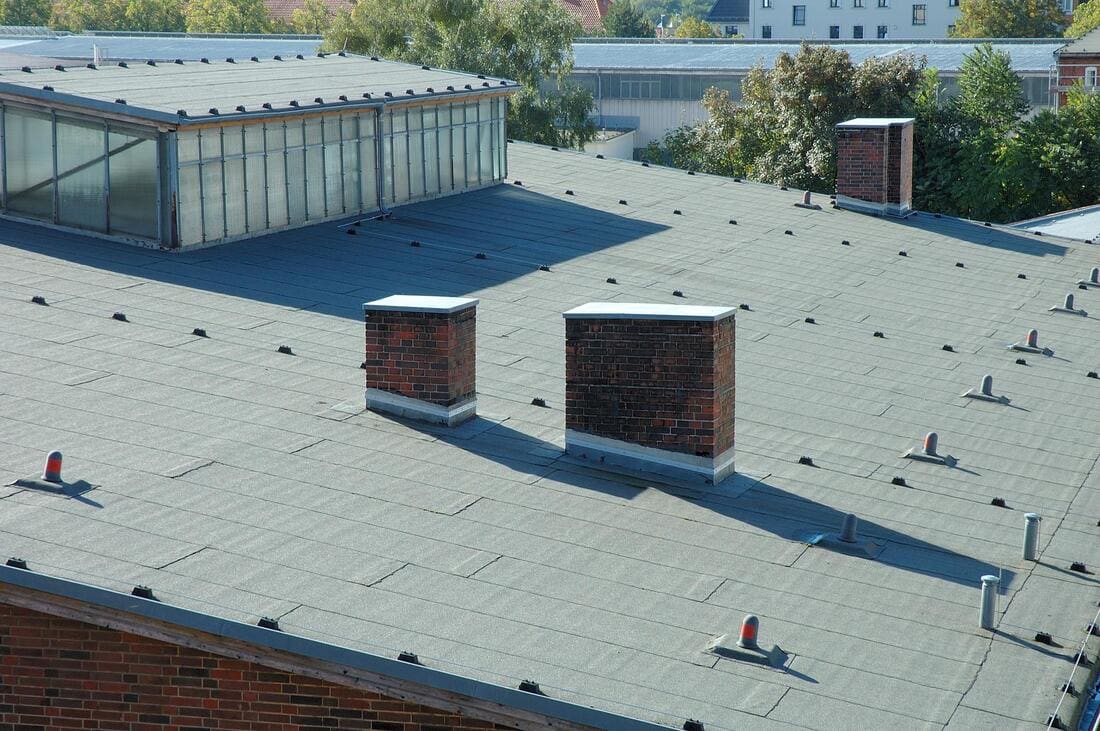
Exterior tie-in diagnosis where fascia, trim, siding accents, stucco returns, patio covers, parapets, and roof-to-wall flashing share one water path.
A stain at the outside edge of a Scottsdale room can begin above the roof covering. Wind-driven rain may cross a cracked stucco return, separated trim joint, parapet cap, or roof-to-wall flashing and then follow framing until it reaches the ceiling. Patio covers and additions add another set of junctions. Calling the symptom a roof leak or a siding leak before those connections are inspected can send the repair to the wrong surface.
The useful investigation treats the wall, edge, and roof as one assembly. It should compare indoor evidence with the fascia line, adjoining wall finish, flashing, sealant joints, patio beams, tile or foam surface, and the way runoff reaches that corner. Photos taken from both directions help show whether one trade can complete the repair or exterior-finish work needs coordination with the roofing scope.

Roof edge and wall transitions
Fascia can show dark staining, separation, softness, or fastener movement when water repeatedly reaches the edge. The source may be failed edge metal, tile underlayment that no longer drains correctly, a gutter joint, or an exposed trim seam. Replacing only the visible board will not last if the flow from above remains. The written scope should identify the waterproof correction and the finish repair as separate tasks, even when one visit handles both.
At a wall, step or counterflashing must direct water back onto the roof surface while the exterior finish protects the vertical assembly. Sealant is useful at selected joints but cannot replace a missing or poorly integrated flashing path. Parapets and stucco returns deserve the same scrutiny because a crack above the roofline can admit water behind an otherwise intact foam or tile edge.
When matching matters
Exterior work remains visible after the leak is gone. On a custom or HOA-managed property, the proposal may need finish samples, color notes, dimensions, and a photograph showing where a patch or replacement section will sit. Existing weathering means even the correct product can read differently when new. The contractor should explain that limitation before material is ordered and note when a broader finish area is the cleaner visual choice.
Documentation also helps where responsibility crosses specialties. The roofer can identify a roof-adjacent stucco or trim defect and state whether a qualified finish specialist is needed for that portion. The owner then receives one coordinated water-path plan instead of two disconnected surface patches. Call (623) 283-1450 when the stain sits near a wall, patio, parapet, or roof edge, and describe both the interior mark and the exterior materials.
From first symptom to written repair scope
The first conversation establishes the material, leak behavior, flat sections, skylights, parapets, recent weather, safe access, and any gate or property-manager instructions. Those details determine what the inspector should examine and whether temporary protection needs to precede a complete diagnosis.
After inspection, the homeowner should receive photos tied to a written scope. It identifies the failure, work area, material assumptions, temporary measures, cleanup, and any credible restoration or replacement alternative. The assigned contractor verifies applicable city, county, and HOA requirements before replacement or structural work begins.
Related decisions are explained in the tile repair guide, foam roof guide, leak-tracing guide, and Scottsdale pricing guide. Each page addresses a different part of the scope so bids can be compared against the roof condition actually documented. A free inspection with photos is the starting point when the roof's condition is the open question.