Selective gutter and drainage work for Scottsdale entries, patios, roof edges, fascia, scuppers, canales, downspouts, and concentrated desert runoff.
Gutters are less universal in Scottsdale than in long wet seasons, yet a brief desert downpour can send a concentrated sheet off a valley, over an entry, or onto a patio. The resulting problem may be a slick walk, stained stucco, washed landscape material, wet fascia, or water collecting where a roof and wall meet. The answer can be a short targeted run rather than continuous metal around every eave.
Drainage diagnosis starts while asking where water actually travels. Roof shape, valleys, parapets, scuppers, canales, patio roofs, lower additions, and existing downspouts all change the collection point. Ground-level staining and erosion show useful patterns between storms. A proposal should describe the roof area being served and the discharge location; moving water off the roof only helps if the outlet does not create another concentrated problem below.
Where gutters help most
Entries, garage doors, courtyards, patios, narrow side yards, and roof-to-wall intersections are common candidates for controlled runoff. A valley that releases at one short eave can overwhelm an otherwise quiet roof edge. The contractor should follow that contributing roof area before recommending gutter size, outlet placement, or a downspout route. On a tile roof, the eave detail and tile projection must also be respected so new metal does not interfere with intended drainage.
Fascia is part of the support, not a decorative backdrop. Split, loose, or water-damaged material should be addressed before new hangers are loaded. Existing sections may instead need pitch correction, re-hanging, a sealed joint, outlet repair, or a downspout change. Photo documentation of the edge and the discharge point helps separate a gutter defect from water entering higher through underlayment, flashing, or a patio tie-in.
Scuppers and flat roof drainage
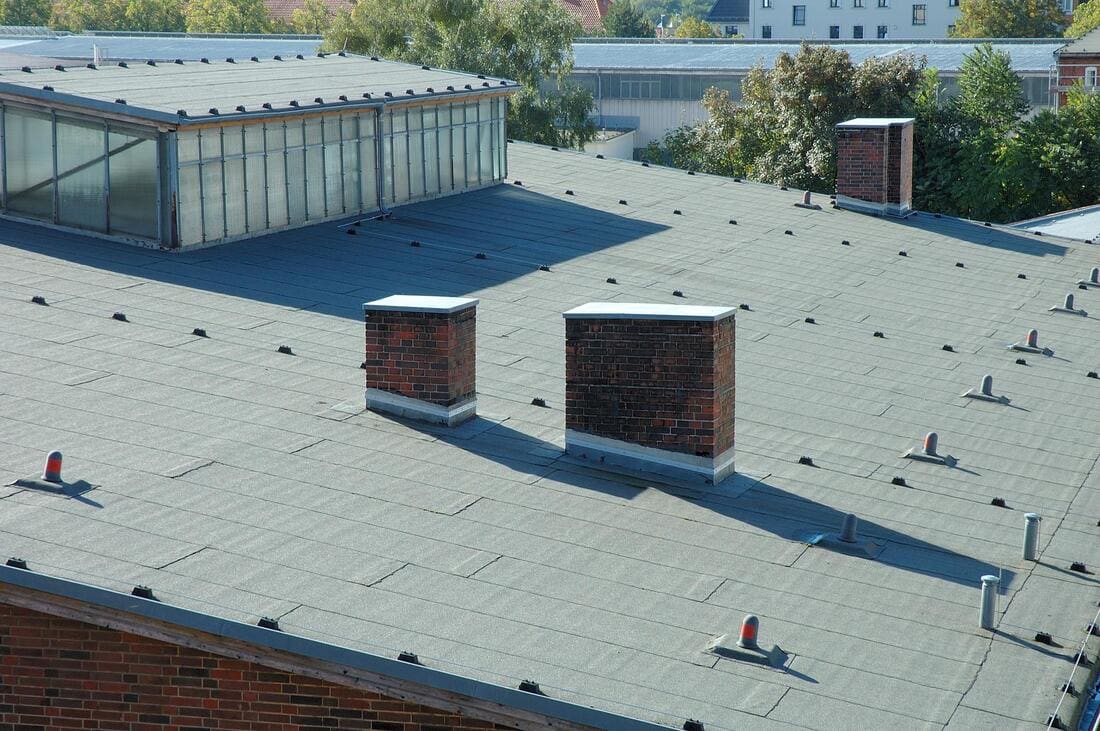
Foam and other low-slope sections often discharge through scuppers or canales rather than an eave gutter. Dust and organic debris can slow an opening; repeated coatings can build a ridge near it; and a split at the transition can admit water even while the outlet still flows. The inspection should look upslope for ponding and around the opening for exposed foam, loose coating, or failed sealant. Cleaning an outlet does not repair a cracked waterproof detail.
When drainage and foam defects appear together, the written scope should coordinate them. Repairing the surface before correcting the obstructed path can recreate the pond, while changing the outlet without rebuilding failed coating can leave the leak. Scottsdale planning ranges put gutter repairs at $175-$650 and seamless installations at $1,500-$3,800 where installed. The free inspection confirms whether targeted metal, fascia work, or roof-system repair belongs in the job. Call (623) 283-1450 to describe the runoff location.
From first symptom to written repair scope
The first conversation establishes the material, leak behavior, flat sections, skylights, parapets, recent weather, safe access, and any gate or property-manager instructions. Those details determine what the inspector should examine and whether temporary protection needs to precede a complete diagnosis.
After inspection, the homeowner should receive photos tied to a written scope. It identifies the failure, work area, material assumptions, temporary measures, cleanup, and any credible restoration or replacement alternative. The assigned contractor verifies applicable city, county, and HOA requirements before replacement or structural work begins.
Related decisions are explained in the tile repair guide, foam roof guide, leak-tracing guide, and Scottsdale pricing guide. Each page addresses a different part of the scope so bids can be compared against the roof condition actually documented. A free inspection with photos is the starting point when the roof's condition is the open question.